
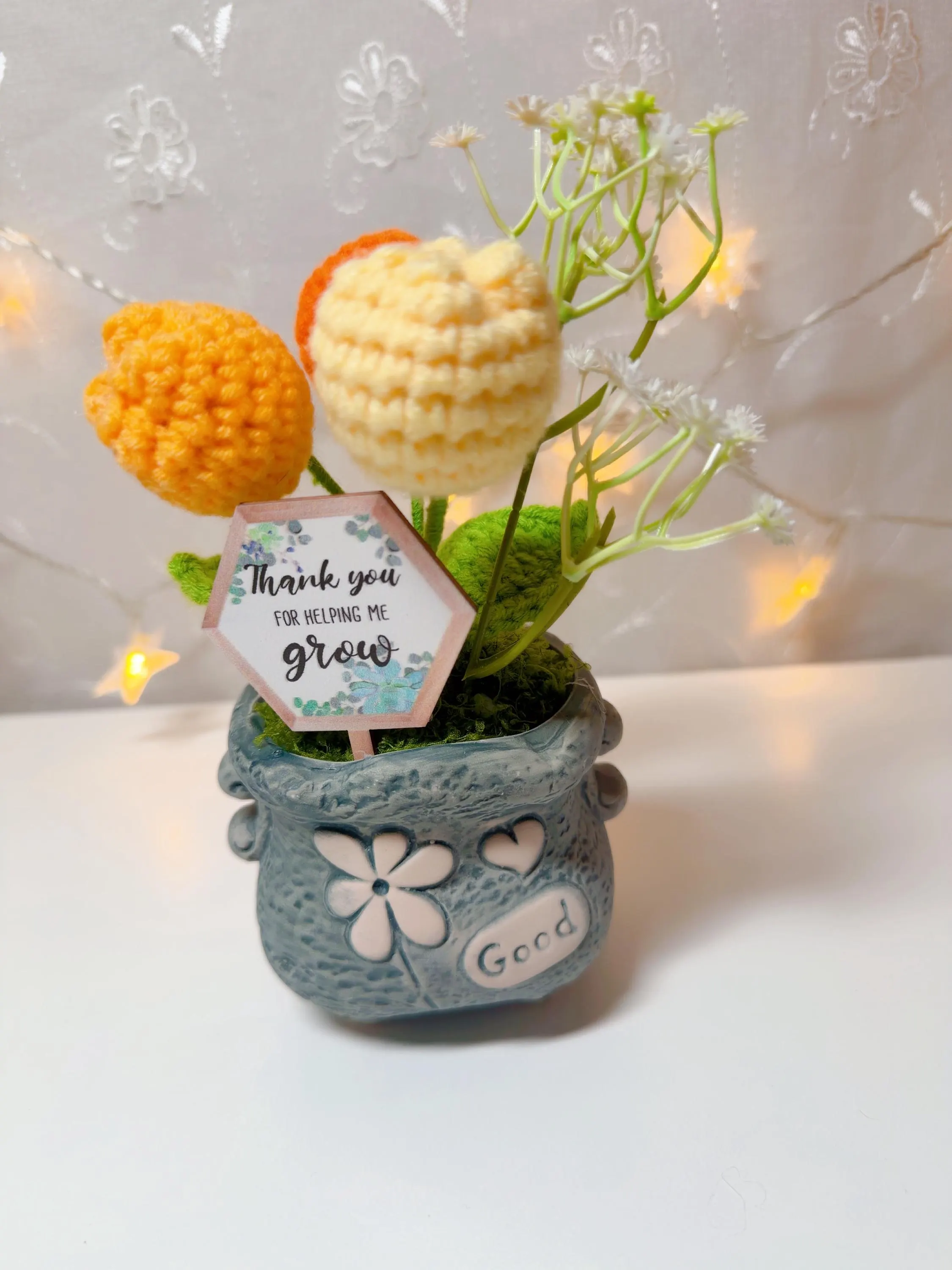
Mini crochet accessories are compact, tactile items that can add margin, color and impulse sales to a small-footprint shop. This guide focuses on practical choices retailers make when describing, displaying and grouping those pieces into a compact assortment that fits a gift floor, a checkout counter or an online thumbnail.
Choosing a focused assortment for limited shelf space
Start by deciding the constraints of your selling footprint: how many linear feet, how deep the shelving, and whether items will live on counters, racks or pegs. A compact assortment performs best when each SKU serves a clear purpose—gift, add-on, stocking stuffer or sampler. Choose a mix that includes a few eye-catching statement pieces and multiple small, lower-cost items that rotate frequently.
Trade-offs matter. A broader color range can attract diverse customers but increases stocking complexity and takes more space. A tighter color story simplifies replenishment and looks tidier in a small display. Consider carrying two to three core colorways in higher quantities and a handful of seasonal or novelty pieces in smaller counts.
Labeling and descriptions for mini crochet accessories for gift retailers
Use short, clear product labels that answer likely shopper questions at a glance: material, maker (if known), and a quick use cue such as 'keyring' or 'ornament.' Keep printed tags uniform in size and placement so a crowded shelf still reads cleanly. Where space allows, a one-sentence hanging card can convey the handmade character or care note without needing staff explanation.
Photos or small swatches beside labels help shoppers quickly compare textures and colors. When items look similar at arm’s length, add a tactile cue on the label—'soft cotton feel' or 'firm stuffing'—so customers can choose without handling every piece. Consistent pricing placement reduces hesitation at decision time.
Display strategies that save space and drive impulse buys
Think in layers: use shallow trays, tiered risers and pegboard to add vertical interest without widening your footprint. A narrow counter tray with 10–12 small accessories placed next to the register invites impulse purchase while a taller, narrow tower can display hanging items like tiny purses or ornaments without monopolizing floor space.
Lighting and grouping create perceived value. A focused spotlight or a neatly arranged color block makes small items feel curated rather than cluttered. For fragile or delicate crochet pieces, consider clear risers or acrylic covers that let customers view texture while protecting the work.
Grouping and cross-merchandising to increase basket size
Group items by theme rather than only by product type to spark multi-item buys: seasonal sets, matching color families, or 'beginner kit' pairings that combine a few mini pieces with a small tool or pattern card. A physical grouping with a modest discount or 'buy two, get 10% off' signage can be effective, but be explicit about what’s included so staff and shoppers aren’t confused.
Cross-merchandise with adjacent categories to create natural add-ons—place mini crochet charms next to keychains, small pouches near stationery, or tiny ornaments by greeting cards. Signage that suggests gifting uses—'stocking stuffers' or 'party favors'—helps customers imagine multiple purchases and increases average order value.
Pricing, bundling and trade-offs to consider
Price visibility is essential for small items. Use clear tags that include unit price and any bundle price so customers don’t need to ask. Decide whether to position certain pieces as higher-margin 'statement' items while keeping others as low-cost impulses. That mix helps you balance profitability with turnover in a small assortment.
Bundling can simplify choices but requires labor for recombining inventory. Pre-packaged sets save staff time at checkout and look gift-ready; loose bundles (let the customer choose three items for a set price) can feel more personalized but need consistent monitoring to avoid stockouts. Choose the approach that matches your staffing and inventory systems.
Photography and online listings for small crochet items
Good photos sell small items online because shoppers can’t feel texture through a screen. Shoot tight detail images, one hero shot that shows scale next to a common object, and a small gallery that highlights color options. For compact assortments, show grouped and single-item shots so buyers understand both the unit and the set.
Write concise online descriptions that mirror in-store labels: materials, maker notes, and any care details provided by the maker. If multiple similar pieces exist, use consistent naming and tags so customers can filter by color or use. Match online pricing and bundle rules to in-store offers to avoid confusion.
Putting together a compact assortment of mini crochet accessories means balancing variety, clarity and presentation. Prioritize consistent labeling, smart vertical displays, and grouped merchandising that tells shoppers how to gift or use the pieces. If you want to see how a tight assortment looks in person, visit Helium South Beach at 760 Ocean Drive Store No. 6, Miami Beach, FL 33139, email [email protected] or call +1 305-538-4526; our Instagram is https://www.instagram.com/helium_southbeach/?hl=en for visual ideas.