
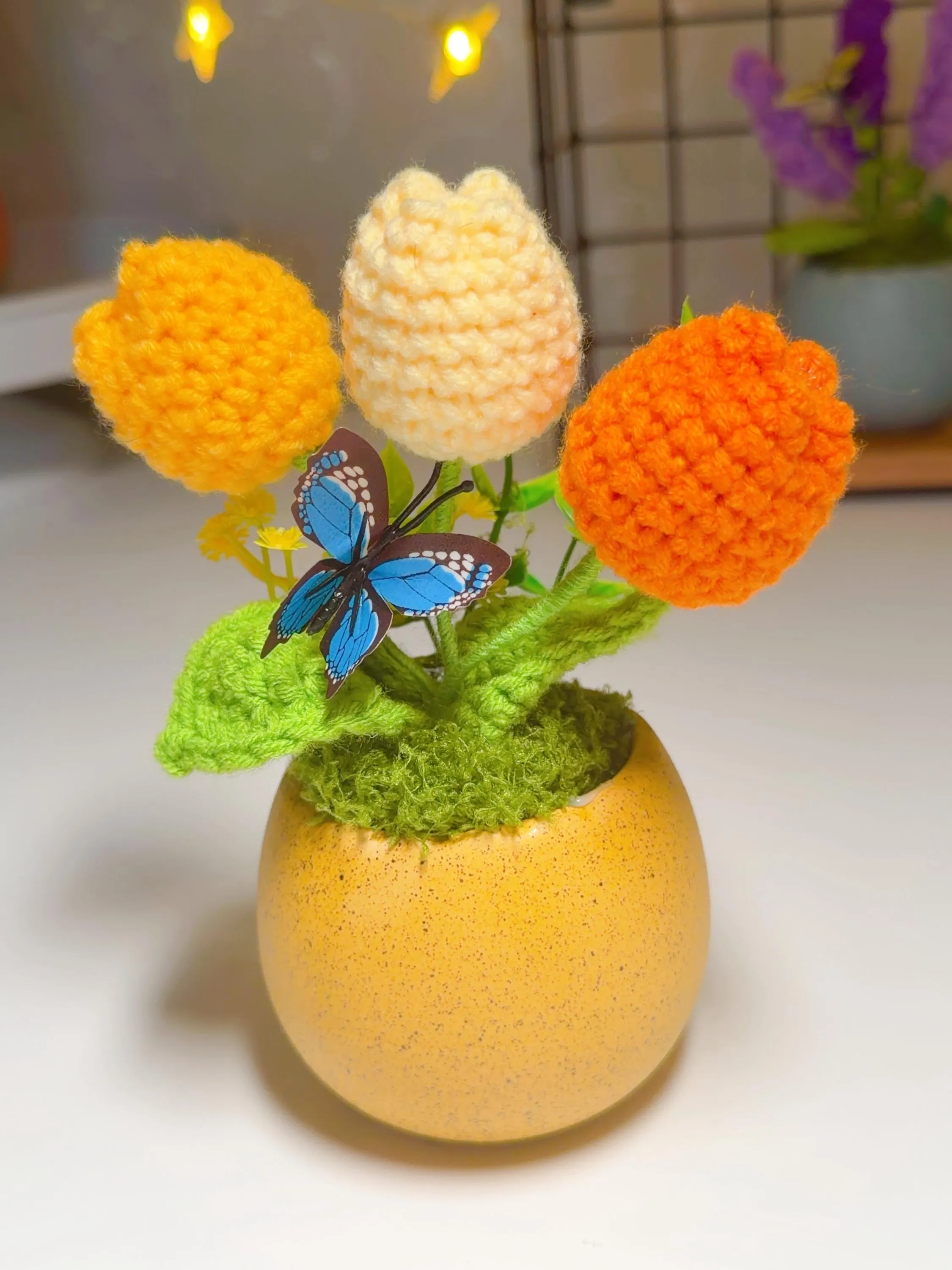
Shoppers who want a considered, personal gift often choose something small and handmade. As a retailer, your role is to translate maker details into clear guidance so customers can match an item to the recipient’s taste and lifestyle. This article focuses on crochet accessories and similar handmade items, with concrete talking points and trade-offs you can use at the counter or on the product card.
Showcasing small handmade gifts for thoughtful shoppers
Set the tone by grouping small, handmade crochet accessories together so customers can compare scale, texture, and color at a glance. A well-lit table with a few curated pairings—such as a compact pouch next to a crocheted headband—helps shoppers imagine how items might be used together as a gift set.
Label each item with concise, accurate details: fiber content, primary closure type (button, snap, zipper), approximate dimensions, and whether the item is one-of-a-kind. Those quick facts reduce uncertainty and invite questions that let staff offer personalized suggestions.
Presenting accurate crochet details on the sales floor
When customers ask about construction, avoid vague statements and give specifics that are present in the listing: tightness of stitch, whether the piece is lined, and the dominant fiber. If a listing notes handmade construction or specific materials, use that text verbatim on your hanging tag or shelf card to keep descriptions consistent.
Make sure product photography matches these details. Include a close-up image of stitch texture and a photo showing the item in use or next to a common object for scale. These visual cues help reduce returns and build shopper confidence when choosing small, tactile gifts.
Guiding customers through materials and care trade-offs
Explain trade-offs between durability and hand-feel without making universal care claims. For example, a tightly crocheted accessory may stand up to daily use better than a loose-knit piece, but some fibers require gentler washing. Direct customers to the product’s listing for exact care instructions rather than generalizing.
Help shoppers decide by asking practical questions: Will the recipient use this daily or occasionally? Do they like machine-washable items? Use those answers to match fiber and construction to lifestyle, noting that makers often include care and small-parts cautions in each listing.
Demonstrating scale, texture, and wear with examples
Bring sample cards or display a single demo item customers can touch. Show how a crocheted coin pouch fits into a pocket, or let them feel the difference between a tightly worked stitch and a fluffy one. Physical interaction is especially persuasive for crochet, where texture is a primary appeal.
If you can’t provide every sample, use comparison language: compare the item to a common object or another in-store product so shoppers infer scale. Be careful not to state care or safety specifics unless they appear on the item’s individual listing.
Using packaging and messaging to make gifts feel personal
Small handmade items gain perceived value when paired with thoughtful presentation. Offer a simple wrapping option or a coordinating tag that states who made the item and notes its handmade nature. Short, authentic messaging about craftsmanship—kept consistent with listing text—adds meaning without overselling.
Include a small care card that mirrors the maker’s instructions from the listing and a brief line about what makes the piece distinctive (fiber, technique, or colorway). That information helps recipients appreciate the item immediately and preserves maker intent.
Training staff to ask the right questions and close the sale
Equip staff with a short script of open questions: Who is the gift for? Do they prefer subtle or statement accessories? How do they like to care for their belongings? These prompts steer the shopper from general taste to specific product features relevant for crochet and other handmade goods.
Teach employees to reference the individual listing when a customer asks about care, small parts, or materials. Encouraging staff to read aloud maker-provided details ensures accuracy, avoids invented claims, and builds trust in both the product and your store as a reliable guide.
Helping shoppers select small handmade gifts is about clarity, honest trade-offs, and tactile storytelling. Use accurate listing details, clear visuals, and targeted questions to turn a one-off accessory into a considered present. For local retailers or makers who want to visit, Helium South Beach is at 760 Ocean Drive Store No. 6, Miami Beach, FL 33139; email [email protected] or call +1 305-538-4526. Our Instagram @helium_southbeach showcases examples of crochet and handmade displays you can adapt.