
Buying handmade goods wholesale means balancing character and variability with reliable ordering and care. This guide walks new buyers through the concrete questions to ask, how to compare similar items, and what to confirm with a maker or supplier before placing an order.
A new buyer guide to handmade wholesale goods
Handmade wholesale differs from mass production because every item can show small differences in texture, color saturation or stitch pattern. Those differences are part of the value, but they also create decisions: do you want near-identical repeats for a retail shelf or visible uniqueness for a boutique display?
Start by defining the level of variation you can accept. Ask suppliers for several photos of previously completed batches, not just a single hero shot. Seeing multiple finished items helps you judge whether variation will support or disrupt your merchandising plan.
Compare materials, construction and finishing details
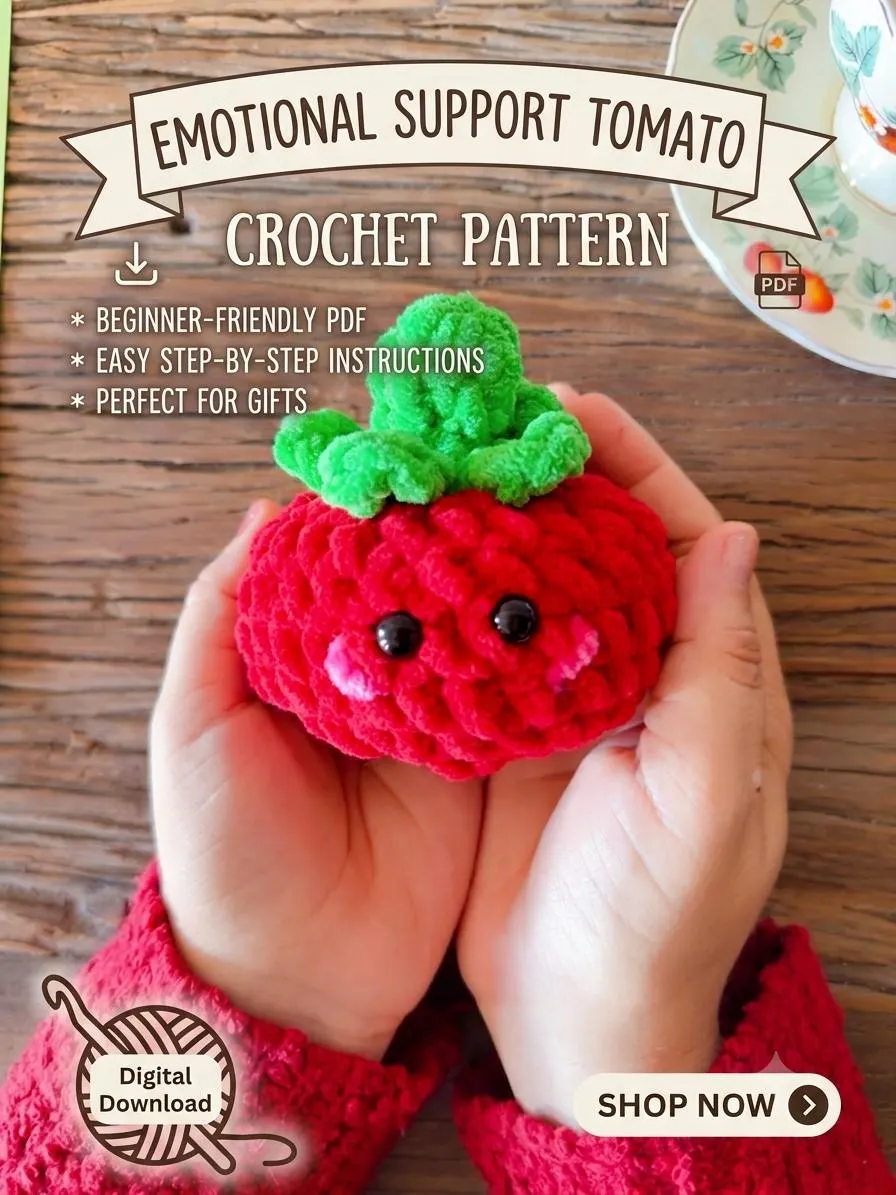
When comparing similar handmade items, line up materials and visible construction choices. For example, two crochet pieces might use the same yarn weight but different stitch density or finishing techniques, which affects hand feel and drape. Request close-up images of seams, joins and edges so you can evaluate workmanship consistently across makers.
Decide which differences matter most for your customers and pricing. If colorfastness is critical for your use case, ask about dye type and whether colors shift after washing. If you need uniform sizing, ask for measurements of several items and a tolerance range—this makes comparing offerings an apples-to-apples exercise.
Ask makers about expected variation and limits
Be explicit about acceptable variation up front. Instead of saying “no variation,” describe tolerances: acceptable size deviation in inches, color range descriptors, or acceptable variance in stitch counts. Ask makers how they document variation and whether they can flag items that fall outside your limits.
Ask for examples of past communications and corrective actions. If a seller commonly replaces or remakes items that miss specs, that process matters. Knowing a maker’s willingness to address outliers helps you weigh the extra time and cost of handmade against the potential benefits of exclusivity.
Review care instructions and real-world handling
Care requirements are a practical selling point and affect how you position the item. Ask suppliers for the product-specific care guidance they include with each item. If listings sometimes note hand-wash only or delicate handling, confirm whether those instructions are standard, optional, or vary by batch.
Think through the retail lifecycle: packaging, unboxing, returns and in-store handling. If an item needs special storage to retain shape or finish, build that into your receiving and display plans. Request sample care cards or label text so you can test how it will appear to customers.
Confirm minimums, lead times and sample policies
Wholesale handmade sellers often work with different minimum order quantities and lead times than factories. Ask for current minimums, whether those minimums are per design or per color, and whether they change for repeat orders. Understanding these constraints up front prevents surprises during planning cycles.
Negotiate sample policies before committing. A reasonable sample process might include a paid sample or a discounted first small order; agree on who covers shipping and how long sample production will take. Use sample orders to test fit, finish and care instructions in real-world conditions before scaling up.
Confirm order terms, defects and communication expectations
Make order terms explicit: how the supplier invoices, what counts as a defect or unacceptable variation, and how shortages or damages are handled. Ask how the maker documents and photographs defects and what remedies they offer—replacement, credit, or remake—so you can plan your financial and inventory buffers.
Agree on communication cadence for large or repeat orders. Decide whether status updates arrive by email, phone, or messaging, and set key checkpoints: sample approval, mid-production photo check, and pre-shipment confirmation. Clear expectations reduce friction and help you judge whether a maker’s process fits your operations.
Treat every wholesale handmade relationship like a small-scale manufacturing agreement: specify acceptable variation, get multiple sample views, confirm care and agree order terms before you place larger orders. If you’d like help applying these questions to specific listings or to schedule samples, contact Helium South Beach (HELIUM, INC.) at [email protected] or +1 305-538-4526. Our store is at 760 Ocean Drive Store No. 6, Miami Beach, FL 33139 and we share work on Instagram at https://www.instagram.com/helium_southbeach/?hl=en.