
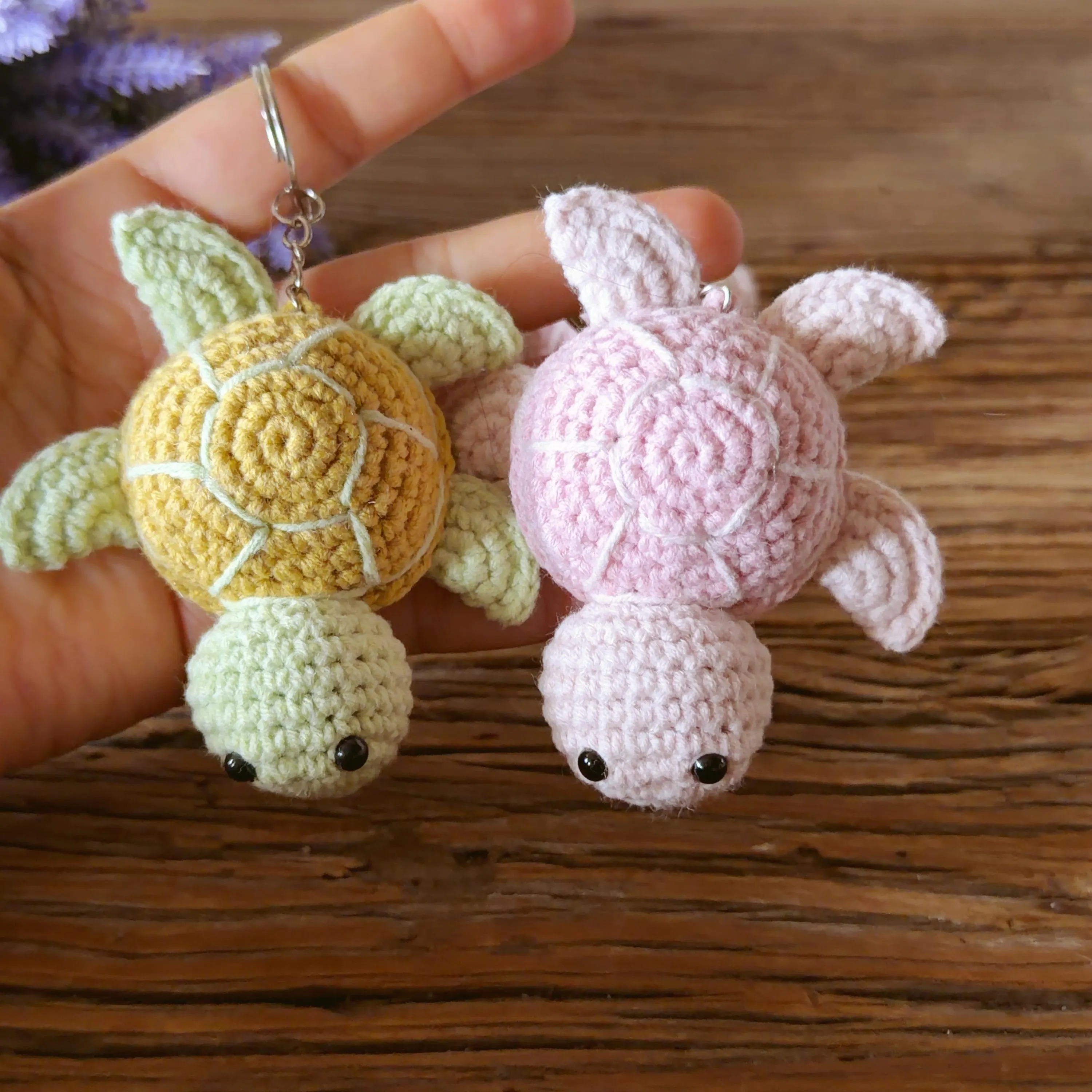
A small amigurumi assortment can feel impossibly personal: customers expect charm and character, but retail space and attention spans are limited. Thoughtful curation turns a handful of stuffed crochet figures into a cohesive display that feels intentional rather than random. Focus on four levers—shape, color, price, and clarity—and you’ll make selection easy for browsers and staff alike.
amigurumi assortment planning for boutiques
Start with a clear goal: do you want a playful seasonal capsule, a year-round signature collection, or a mix? Define the objective before choosing pieces so every item earns its place. When you work from a goal you avoid stocking too many near-duplicates and can justify the trade-offs between novelty and reliable sellers.
Once you know the purpose, map out a compact plan. Sketch a shelf layout or a pop-up table arrangement and mark anchor pieces, supporting styles, and one-off curios. This physical plan helps keep variety manageable—aim for a small number of strong shapes and colors rather than a long tail of singletons that confuse shoppers.
Balance shapes for visual interest and fit
Shapes create the first impression on a crowded shelf. Mix tall and squat silhouettes so the eye moves vertically and horizontally. For example, pair an upright character with a low, wide animal to create a natural rhythm and prevent a flat-looking display.
Consider the practical trade-off: large statement pieces attract attention but reduce the number of skus you can show. If your footprint is tiny, favor medium-sized forms that stack or nest visually, giving the feeling of abundance without consuming display real estate.
Use color stories to support themes
Limit your palette to two or three complementary color families per display to make choices easier. A cool-toned grouping (blues, mint, soft gray) reads differently than a warm one (mustard, coral, cream); choose a direction that fits your shop’s aesthetic or the season. Consistent color helps disparate shapes feel like a single collection.
Don’t be afraid to add a single contrasting accent to create a focal point. A bright coral or deep navy piece can lift a muted set, but use accents sparingly—too many competing colors dilute the visual coherence that encourages multi-item purchases.
Tier price points without overwhelming shoppers
Offer a clear progression of values: an entry-level piece, a mid-priced favorite, and one or two premium options. This gives shoppers an obvious upgrade path without forcing them to navigate a confusing array of prices. Make the differences visible—size, complexity of stitching, or extras like removable accessories—so customers see why prices vary.
The trade-off here is inventory depth versus accessibility. If you only carry premium amigurumi you may miss impulse buys; too many low-cost items can erode perceived quality. For a small assortment, keep more SKUs at the mid-price point and fewer at the extremes so your sales spread naturally.
Prioritize product clarity and display information
Clear product messaging converts interest into a sale. Ensure price tags, concise materials notes, and any cautions from the individual listing are easy to read at a glance. Staff should rehearse short explanations so they can quickly answer common questions without reading every listing aloud to the customer.
Use shelf labels or small tent cards to communicate the story: maker name, distinguishing features, or a styling suggestion. Avoid cluttering the card with marketing fluff—straightforward facts and one tactile or styling note are most helpful for shoppers making quick decisions.
Test assortment choices and rotate intelligently
Treat your small collection as an experiment. Track which shapes, colors, and price points move fastest over a month or two and adjust accordingly. Rotating a few pieces every few weeks keeps the display fresh and gives you real data on what your customer base prefers.
When replacing items, honor what worked: if a particular silhouette sold well in multiple colors, carry it again but try a new color story to see if the appeal is shape-driven or color-driven. Keep careful notes so future assortments lean into proven combinations rather than anecdote.
A thoughtful amigurumi assortment for a boutique is less about having everything and more about arranging a small number of strong choices so customers can decide quickly. Balance shapes, keep a coherent color story, tier prices clearly, and label everything for fast understanding. If you want to see an example in person, visit Helium South Beach at 760 Ocean Drive Store No. 6, Miami Beach, FL 33139, email [email protected], call +1 305-538-4526, or find visual inspiration on Instagram @helium_southbeach.