
A seasonal gift table is one of the fastest ways to give customers a memorable discovery moment. This article lays out a repeatable plan you can apply each season: pick a theme, curate a compact product mix, make clear signage, and keep a simple schedule for refreshing the display so it never looks stale.
Seasonal gift table ideas for boutiques: choose a theme
Start by naming a single clear theme for the table rather than trying to be everything. Themes can be color-driven (pastels for spring), activity-driven (craft night sets), or mood-driven (cozy at-home). A single theme makes assortment and signage decisions faster and helps visual coherence from across the shop.
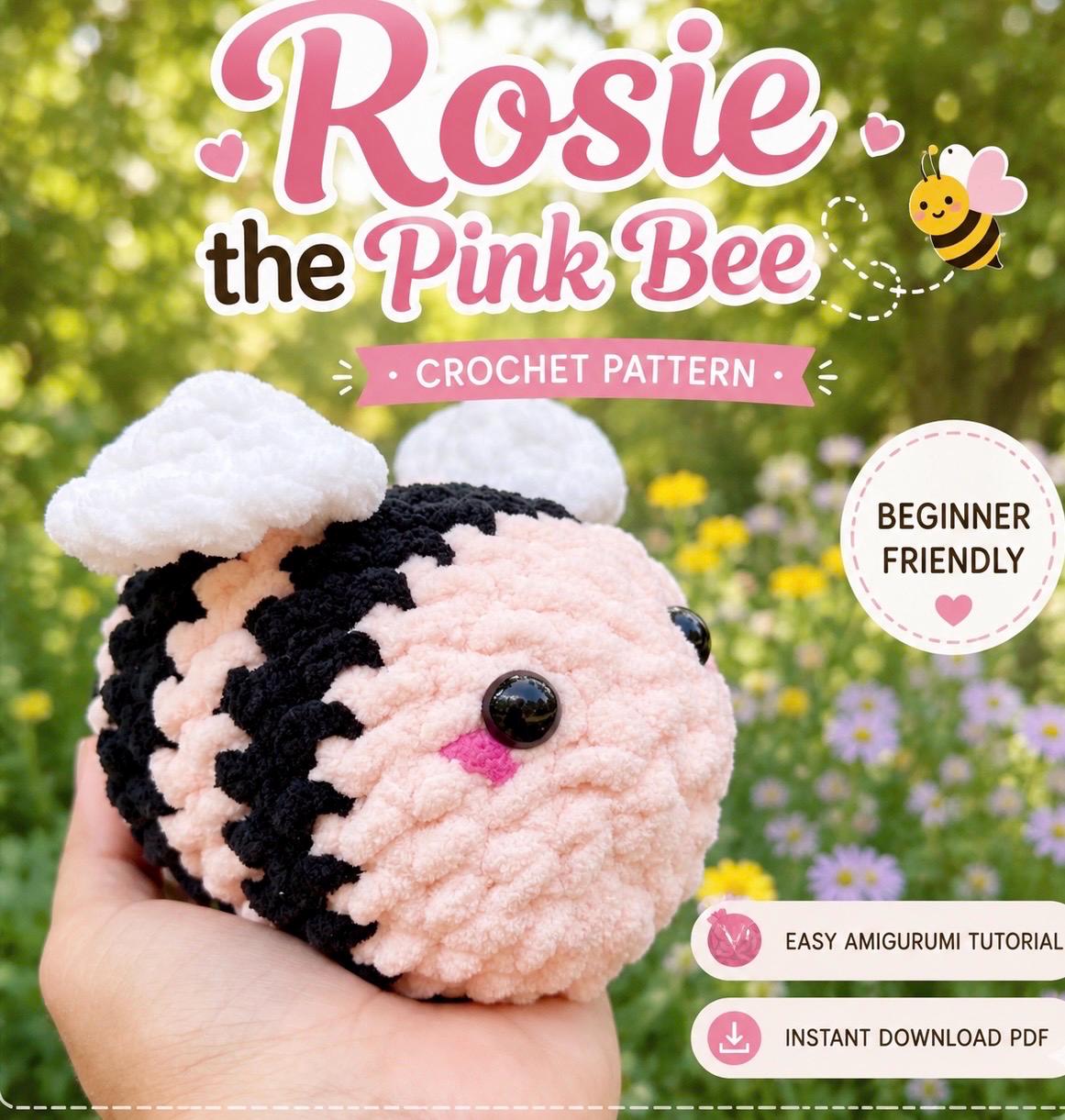
When picking a theme, consider how your categories fit. For example, pair amigurumi or crochet accents with coordinating wall hangings for a soft, handmade display, or put craft supplies and tools together for a DIY-centric table. The trade-off is focus versus breadth: tighter themes convert lookers quickly, while broader themes give more cross-sell opportunities.
Decide a product mix that tells a clear story
Limit the table to three to five product types so each item has room to show. A balanced mix often includes a low-price impulse item, a mid-price feature, and one higher-cost or statement piece. That pricing spread lets browsers make small purchases while also spotting aspirational options without needing a full display of every SKU.
Think about material and maker variety. Mix small handmade goods with a few durable craft supplies or tools to broaden appeal, but avoid overloading the table with similar textures or colors. The practical decision here is depth versus variety: more depth helps with replenishment and reorder accuracy; more variety can increase first-time purchases from diverse customers.
Design signage that guides, not overwhelms
Keep copy short and actionable: a 3–5 word headline supported by one 10–12 word line. Use a consistent typographic scale so the headline from a distance draws shoppers and the supporting line answers the next question—price band, occasion, or a quick styling tip. Clear signs reduce staff interruptions and help customers make faster choices.
Sign materials should match the table’s aesthetic and the seasonal theme. Natural wood or kraft for handmade goods, bright cards for celebratory seasons, or minimal white tags for craft supplies. The trade-off is cost versus impact: reusable, neutral signage costs more upfront but rolls across seasons; cheap, themed cards can give a stronger one-time push.
Set a practical schedule for refreshing displays
Decide how often to refresh by balancing foot traffic and merch lifespan. A high-traffic boutique might rotate focal items weekly and replenish weekly-priced impulse stock, while smaller shops can plan monthly refreshes with a mid-month touch to keep things tidy. Write the schedule on your merch calendar so it becomes routine, not a guess.
When refreshing, change one element at a time—a new colorway, a fresh statement piece, or updated signage—so you can measure impact. Full overhauls are costly and time-consuming; incremental swaps let you test what resonates and reduce dead stock risk. Keep restock triggers simple: 'reorder when three remain' is easier than complex rules.
Merchandise placement and focal-point choices
Create a single focal point on the table that draws the eye, such as a taller wall hanging or a grouped arrangement of amigurumi. Place higher-margin or statement pieces at eye level and lower-priced items closer to the table edge to invite impulse picks. This layered approach helps customers scan quickly and then explore.
Pay attention to sightlines and step-back space. If your table is near a walkway, avoid small loose parts at the front edge; instead use contained containers or display risers. Test different placements during quiet hours to see how each angle looks from the entrance and adjust so the centerpiece reads clearly from the main approach.
Track performance and tweak without overhauling
Track a few simple metrics: units sold from the table, average ticket on the table, and a note of which featured pieces drew questions. A weekly note in your point-of-sale system or a paper log is enough. The goal is to know which themes and mixes drive purchases so you can repeat successes with less guesswork.
Use data to make measured changes: if a certain type of craft kit never sells, swap it for a similar-priced handmade item next season. Avoid simultaneous major changes that hide cause and effect. Small, tracked tweaks reduce waste and make each seasonal table more effective over time.
A seasonal gift table plan gives boutiques a repeatable way to create focused, attractive displays that change without chaos. Pick one theme, curate a compact product mix, design clear signage, and set a refresh rhythm you can keep. For hands-on examples or wholesale questions, Helium South Beach is at 760 Ocean Drive Store No. 6, Miami Beach, FL 33139; email [email protected] or call +1 305-538-4526. Find visual inspiration on Instagram @helium_southbeach.