
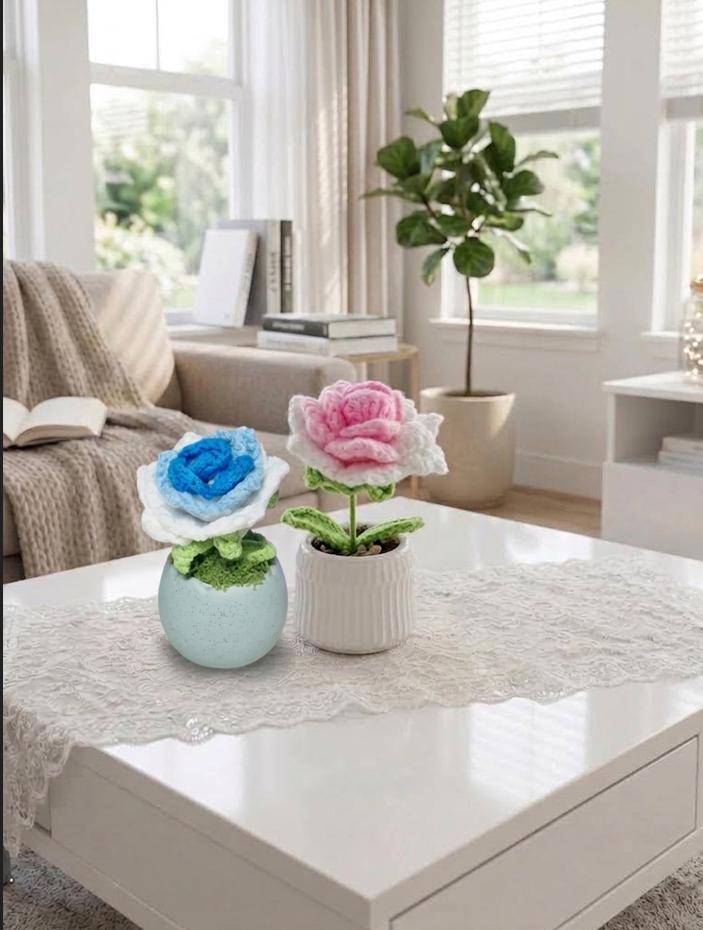
Handmade crochet pieces can brighten a room, but long exposure to strong light can change their color and appearance over time. This article focuses on practical display and storage considerations you can use to reduce the risk of fading or color shift in color-sensitive handmade fibers, without suggesting any product is completely fade-proof.
Evaluate the light in the display spot
Start by assessing where sunlight actually reaches in your home or retail display. Note the direction windows face, the hours of direct sun, and whether light is filtered by trees, neighboring buildings, or window treatments. A south- or west-facing window typically delivers stronger, longer-duration sunlight than a north-facing one.
Consider how sunlight changes through the day and by season. A crochet pillow that sees two hours of direct midday sun every day will experience different wear than a wall hanging that receives only morning light. This assessment helps you choose locations and decide whether to add protective measures like curtains or UV film.
Use protective filtering and placement strategies
If you want an item visible near a window, use window films, sheer curtains, or UV-filtering shades to cut the most damaging wavelengths while keeping the piece in view. These solutions differ in cost and look: films are subtle but require installation, while curtains are flexible and easy to swap out when you want more light.
Placement matters as much as filtering. Move items a few feet away from direct glass or place them on a shelf underneath a light overhang. For jewelry-like displays or smaller amigurumi pieces, a display case with UV-resistant glazing reduces light exposure while also protecting from dust and handling.
How to protect crochet gifts from direct sunlight
When gifting or displaying a crochet piece, choose a spot away from unshaded windows and avoid leaving items on sunlit furniture for long stretches. Simple actions—like rotating a throw pillow weekly to change which side faces light—spread exposure and can slow noticeable color change on a single surface.
If a piece must be near bright windows, consider seasonal rotation: bring sensitive items indoors or into dimmer rooms during the brightest months. For retailers, change window displays often and alternate more light-tolerant colors or materials in sunny displays to reduce constant exposure to the same items.
Storage tips for color-sensitive handmade fibers
Store crochet items in a cool, dry, dark place when not on display. Use breathable containers such as cotton storage bags or linen-lined boxes; avoid long-term storage in clear plastic bins left in sunlit attics or windowsills, which can trap heat and microclimates that raise risk of color change or fiber stress.
Wrap delicate items in acid-free tissue if you want extra protection against shifting dyes or surface contact. Label storage boxes with dates and contents so you can rotate or check items periodically. Regular inspection helps you find early signs of color shift and move pieces to gentler conditions if needed.
Trade-offs: visibility, protection and handling
Every protection choice has trade-offs. Displaying behind glass reduces dust and light but can change the look and limit tactile enjoyment. Heavy window coverings block damaging light but also reduce the room’s natural brightness and the ability to see colors in natural daylight.
Handling to rotate or inspect items also increases wear, so balance rotation frequency with careful handling. Use clean hands or gloves for delicate pieces, and avoid over-manipulating embellishments or fringe when moving items. Deciding how often to rotate is a personal or curatorial choice based on how much you value constant display versus long-term preservation.
Practical testing and checking individual care instructions
If you’re unsure how a particular yarn or dye will react, check the seller’s listing for care notes and test a discreet edge or inside seam where possible before exposing the piece to prolonged light. Because listing details vary, rely on each product’s stated care instructions rather than assuming all crochet items behave the same.
For pieces intended as gifts, include a short, practical note about ideal display and storage to help the recipient minimize light exposure. Suggesting simple steps—like keeping the item out of direct midday sun or storing it in a breathable bag—gives the recipient control without asserting guarantees about fade resistance.
Protecting crochet gifts from direct sunlight is mostly about mindful placement, sensible storage, and balancing visibility with preservation. If you have questions about a specific item in our Crochet category, check its listing for any maker-provided care details. For in-person advice, visit Helium South Beach at 760 Ocean Drive Store No. 6, Miami Beach, FL 33139, email [email protected], call +1 305-538-4526, or find us on Instagram @helium_southbeach.