
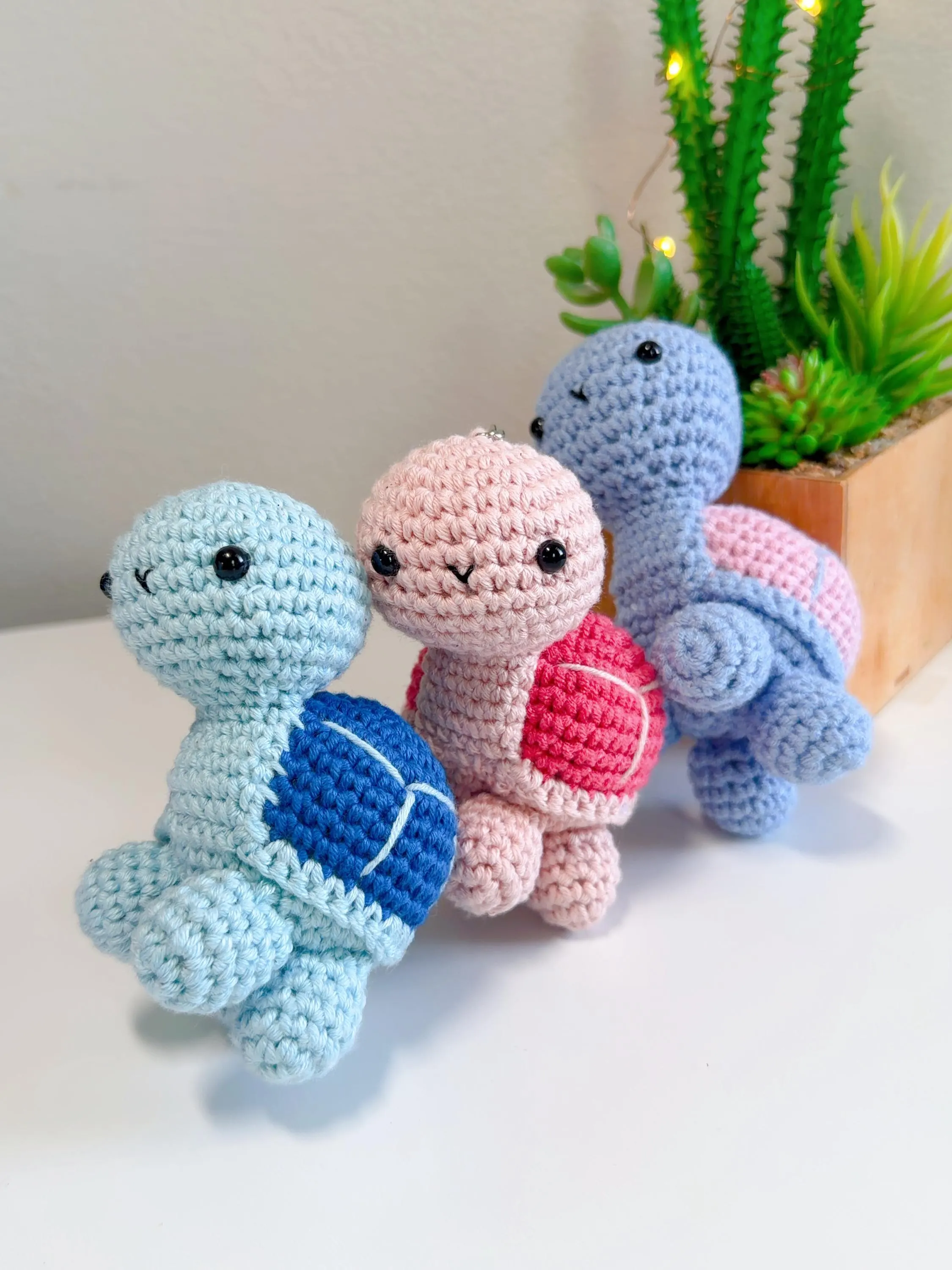
Tourists shop for memories, not just objects. Small souvenirs with a sense of place help customers take a slice of a trip home without requiring heavy investment or shelf space. This article outlines concrete merchandising choices—from amigurumi selection to labeling language—that connect gifts to a visit while avoiding false claims about where items were made.
Why destination cues matter in a compact gift assortment
Shoppers stop for small items when details cue memory: color palettes that echo a skyline, motifs tied to local flora, or packaging that references nearby landmarks. In a small storefront on Ocean Drive, those cues become the primary way to tie an inexpensive item to a visit without overstating provenance.
Deciding which cues to use is a trade-off. Literal icons—postcard graphics or famous buildings—read immediately but can feel generic. Subtler choices, like a sun-faded palette or a palm-leaf motif, require more context at the point of sale but often feel more authentic and collectible.
Small souvenirs with a sense of place
To make small souvenirs with a sense of place effective, prioritize a clear narrative at the shelf. A single line on a hangtag or a short shelf card can explain how design elements reference the locale: whether a pattern was inspired by local architecture or a color family echoes the shoreline.
Be specific without making manufacture claims. Use language like “inspired by Miami Beach” or “designed for visitors” rather than implying items were made locally unless a listing or maker information explicitly says so. This preserves trust while keeping the connection to the destination.
Using amigurumi to evoke local scenes without false claims
Amigurumi—small crocheted figures—are a natural fit for destination retail because they occupy little space and can wear locally meaningful details: sunglasses, tiny striped towels, or colorways that reflect beach tones. Curate a handful of designs that pair well together so shoppers can create a themed gift set.
When merchandising amigurumi, avoid labeling that suggests local production unless confirmed. Instead, highlight design inspirations in display copy and let product listings carry any maker or care details. If some amigurumi listings state handmade construction, point shoppers to those specific item notes rather than generalizing across categories.
Labeling, storytelling, and informed transparency at point of sale
Clear, honest labeling builds credibility. A concise tag that explains inspiration, materials, or care invites connection without misleading. Where space is limited, use QR codes or a short URL to link to fuller backstory on a product page—this lets curious buyers learn more without crowding the display.
Trade-offs include time and printing costs. Simple shelf talkers are inexpensive but require staff training so everyone communicates the same message. Digital stories reduce print runs but assume the shopper will scan. Choose a mix that fits your foot traffic and staff capacity.
Merchandising trade-offs: price, size, and lasting impression
Balancing price and perceived value matters for small souvenirs. Lower-priced items sell on impulse; higher-priced pieces need a stronger story or perceived craftsmanship. Place a few affordable impulse buys next to one or two premium pieces so customers can gauge a range and step up if they want a keepsake with more presence.
Size affects shelf layout and perceived worth. Tiny items can be bundled to increase ticket size, but bundling requires additional packaging decisions. Larger single pieces create a focal point but reduce the number of SKUs you can display. Experiment with both approaches on a small scale to see what moves in your location.
Designing displays that suggest context without misleading shoppers
Create vignettes that tell a quick story: a small beach towel, a palm-colored amigurumi, and a postcard grouped together suggest a day at the shore without claiming those items were produced there. Use props and background textures to set scene rather than relying on copy that could imply origin.
Display placement also matters. Position destination-led groups near the register or entrance to capture impulse purchases, and rotate them seasonally to keep the narrative fresh. Monitor which vignettes sell and which sit; the best setups balance visual appeal with clear, honest messaging.
Curating small souvenirs that feel tied to a visit comes down to honest storytelling, smart layout, and clear labeling. For items such as amigurumi, rely on specific listing notes for handmade, care, or small-parts details and avoid broad claims about manufacture unless confirmed. If you want to discuss merchandising ideas or see samples in person, stop by Helium South Beach at 760 Ocean Drive Store No. 6, Miami Beach, FL 33139, email [email protected], or call +1 305-538-4526. Our Instagram @helium_southbeach shows rotating displays you can use as inspiration.