
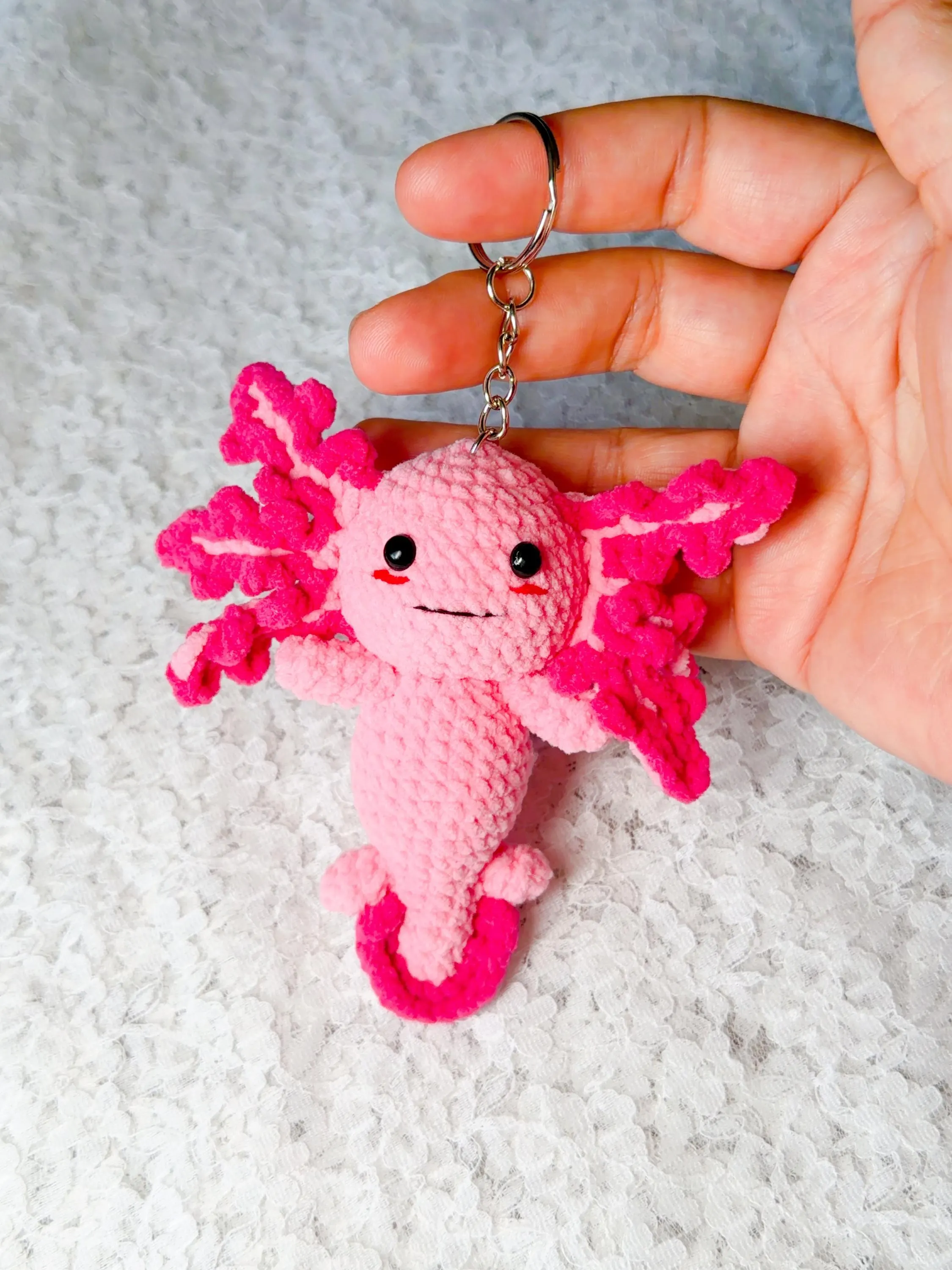
When a child is animal-obsessed, a gift that matches that passion feels especially thoughtful. Choosing the best animal-themed present means looking past pictures and focusing on four practical listing details: the stated age guidance, the materials, any small-parts cautions, and the item’s intended use. That comparison helps families match a child’s needs and the household’s reality—washability, durability and whether the item is meant for play or display.
Start with age guidance and small-parts notes
Every listing should include the seller’s age guidance and any small-parts cautions; these two details are the first filter for whether an item belongs in your shopping cart. If a description notes detachable pieces, buttons, or beads, that changes how you’d supervise or where you’d keep the item, especially for younger children or mixed-age households.
If a product listing omits age guidance or small-parts information, treat that as a prompt to ask the seller a question before buying. Requesting clarification can reveal whether a toy is intended for hands-on play, light handling, or display only, and helps you avoid surprises when the package arrives.
Choosing animal gifts for kids who love animals
When comparing options, think about what kind of animal interest is being rewarded: a plush for nighttime comfort, a sewn amigurumi for imaginative play, or a wall hanging to celebrate a favorite species. The same animal motif can be executed in very different ways, and that affects whether the item will actually be used and loved for months rather than put on a shelf.
Use the listing’s intended-use language to match the gift to the moment. Listings that emphasize ‘cuddle’ or ‘play’ usually note softer fillings and more robust stitching; those that emphasize ‘decor’ or ‘collectible’ may have delicate trims or stands. Choose according to how rough the play is likely to be and whether you want the piece to be washed or preserved.
Understand materials and how they affect care
Materials tell you a lot about lifetime and maintenance. Natural fibers, synthetic yarns, felt, and wooden components all require different care routines; some listings include cleaning instructions while others don’t. If washability matters to your family—say you prefer machine-safe items for toddler toys—look for clear, specific care notes or ask the seller before purchase.
Also consider texture and scent: some children prefer plush, squishy animals; others like smooth wooden figures. Materials affect allergens, drying time after washing, and how the piece ages. When descriptions say an item is handmade, expect variations in texture and finish; that handmade character is often part of the appeal, but it also means care details can vary between listings.
Look for intended use: play, cuddle, or display
Intended use shows up in photos and the description—does the maker stage the item in a nursery, on a shelf, or in a child’s hands? Photos of tumble and active posing suggest a piece that can handle play; careful studio shots with small props suggest a decorative or collectible object. Read words like ‘heirloom,’ ‘display,’ ‘cuddly,’ or ‘toy’ as cues rather than guarantees.
Think about where the item will live in your home. If you want something to be carried everywhere, you might prioritize simple shapes and reinforced seams. If you want something pretty for a bedroom wall, lightweight fabric and loops for hanging could be more important than washability. Match the listing’s stated role to the child’s routines.
Spot-check small parts, construction and maker notes
Construction details—how eyes are attached, whether limbs are sewn or glued, and how seams are finished—matter for safety and durability. Listings that include photos of stitching, fastenings or assembly give you more confidence in longevity. If those close-ups are missing, ask the seller for detail photos or clarification on attachment methods.
Also read any maker notes carefully. Some listings specify that they include small sewn-on elements or detachable accessories; others highlight reinforced seams or tight stuffing. Because details vary across the catalog, comparing these specifics between items helps you weigh trade-offs like aesthetics versus robustness.
Compare listings side-by-side before you buy
Line up a few finalists and compare the four decision points: age guidance, materials and care, small-parts cautions and intended use. Make a quick pros-and-cons list: is one more washable, another more decorative, a third more robust? That focused comparison makes the differences visible and prevents impulse buys that don’t fit your needs.
When in doubt, contact the seller with precise questions: ask for cleaning instructions, confirmation about detachable parts, or a request for additional photos of stitching and closures. The extra minute of comparison often reveals the best match between child, home, and the animal-themed item you’ll be happy to give.
Choosing the right animal gifts for kids who love animals is mostly about matching the listing details to the child’s habits and the household’s needs. Use age guidance, materials and care notes, small-parts cautions, and intended-use language as your checklist. If you’d like help comparing specific items from our amigurumi and crochet selections, Helium South Beach is at 760 Ocean Drive Store No. 6, Miami Beach, FL 33139; email [email protected] or call +1 305-538-4526. You can also see new arrivals on Instagram at https://www.instagram.com/helium_southbeach/?hl=en.