
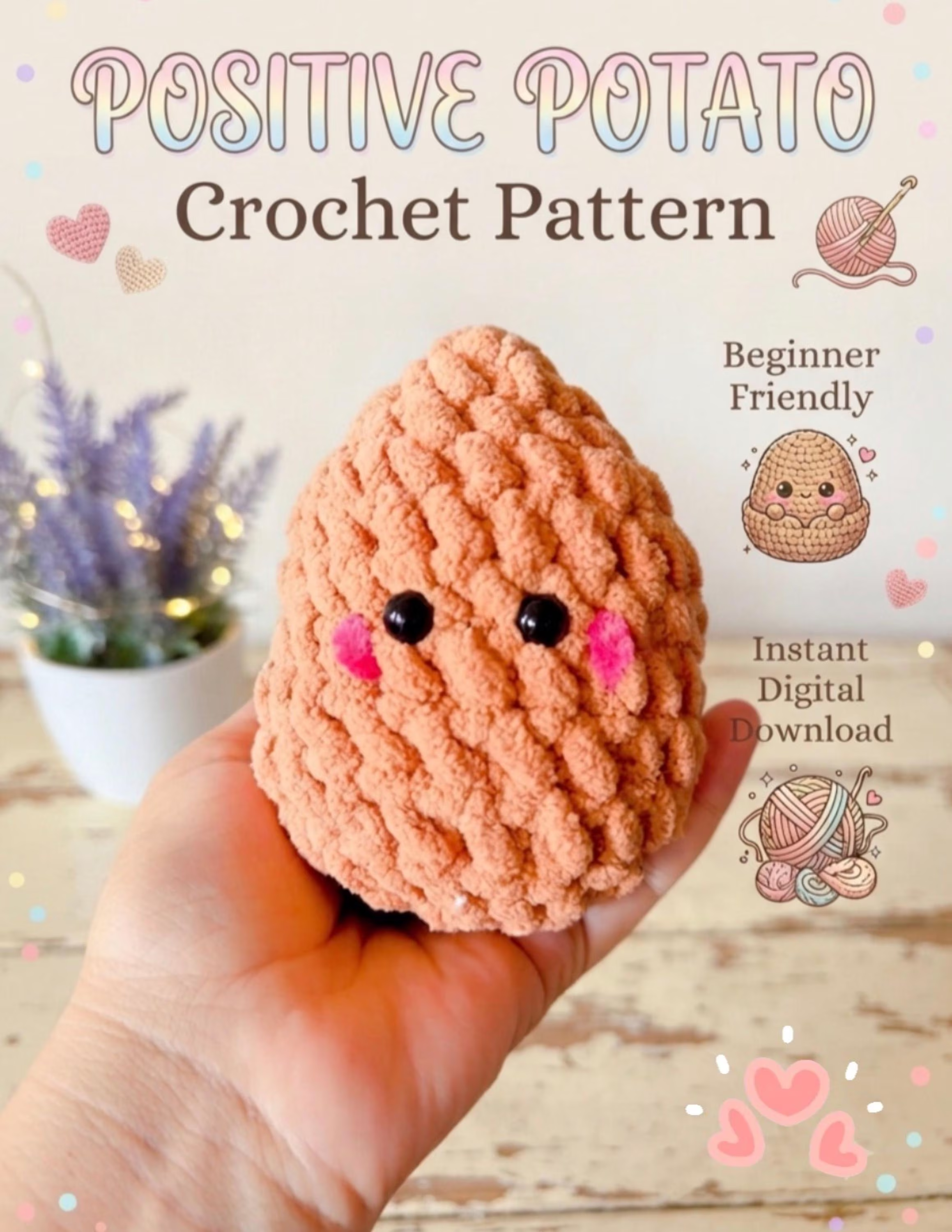
A short care card can make a handmade item feel finished and confident. For retailers, makers and gift-givers the goal is the same: give buyers the exact, verified information they need in a few readable lines. This guide breaks down what belongs on a card, how to avoid accidental overreach, and how to balance brevity with usefulness for the 108 listings we present at Helium South Beach.
What to include on product care cards for handmade gifts
Start with the essentials: a single clear instruction that reflects what the specific product listing states. If the item listing specifies a cleaning method, write that method verbatim and succinctly. Avoid adding general advice that wasn’t given in the listing; the best cards reflect the verified instructions tied to that particular piece.
Also include a one-line description of notable materials only when you have verification. If a listing explicitly names fiber types, hardware or finish, list those materials in plain language. If you’re unsure about a component, leave the materials line off until you confirm it—incorrect material labels are more harmful than omission.
How to verify and list materials accurately
Verification means checking the maker’s notes, tag, or the product entry itself rather than guessing from appearance. Use the exact terms provided by the maker or supplier: if the listing says 'cotton yarn' or 'brass ring,' repeat those phrases. If your catalog language is inconsistent, standardize terms internally so every card uses the same words for the same components.
When a material could be a source of concern—metal parts, natural dyes, or fragile trims—add a short note that points buyers back to the listing for full details. That preserves accuracy without turning the care card into a mini-manual. Keep a log behind the counter or in the product file that ties each card to the verified listing data.
Writing concise, plain-language instructions
Aim for simple verbs and short sentences. Plain language reduces customer calls and returns: 'Spot clean with mild soap' is clearer than a paragraph about washing techniques. Use language a typical buyer would understand; avoid jargon unless your audience expects it, and then define any necessary terms in one brief parenthetical.
Use formatting sparingly to increase scannability. One bold line for the primary instruction followed by a shorter secondary note works better than three long sentences. If extra context is needed—such as drying tips or assembly notes—put that on a second line labeled 'Note:' rather than burying it in the main instruction.
Contact info, batch notes and traceability
Always include a clear way to reach you for questions. A short line like 'Questions? [email protected] • 305-538-4526' invites contact without clutter. For pieces that might vary by production run, add a small batch or SKU reference so customers can report precisely which item they have.
For retailers who rotate makers or adjust materials seasonally, place a date or batch code discreetly on the card. That lets you trace concerns back to a maker or a particular production window without turning the care card into a technical spec sheet.
Design trade-offs: size, durability, and cost
Smaller tags are cheaper and less obtrusive, but they limit how much you can say. Decide whether the core instruction alone fits on a hang tag and reserve a folded insert for more details. Waterproof or coated cards last longer, especially for items exposed to moisture, but cost more. Choose based on the product’s likely use and your budget.
Typeface, contrast and ink matter. A decorative script might suit your store aesthetic, but legibility is the priority. Test a few samples at reading distance and under shop lighting. If a care instruction cannot be read quickly, it’s not doing its job—rework the layout or size before printing an entire run.
Care cards are small investments that build trust when they’re accurate and easy to read. Match each card to the verified information in its listing, favor plain language, include contact details, and choose a format that balances permanence with cost. If you want examples or tag templates, visit Helium South Beach at 760 Ocean Drive Store No. 6, Miami Beach, FL 33139, email [email protected], or call +1 305-538-4526. See our Instagram @helium_southbeach for visuals and remember we manage a catalog of 108 listings across Amigurumi, Crochet, Wall Hangings, and Craft Supplies & Tools to reference when creating cards.