
Independent gift shops need a plan that keeps windows, shelves and impulse spots fresh all year without hinging on any single shipment. This year round gift shop merchandising calendar outlines monthly themes, rotation rhythms and decision points you can apply to an eclectic wholesale catalog—amigurumi, crochet, wall hangings, craft tools and more—while preserving flexibility when items run late or stock is thin.
Start with broad monthly themes, not fixed products
Choose an overarching visual concept for each month—color story, mood, or technique—so you can swap in whatever actually arrives from suppliers. For example, a June theme could be “coastal texture” and include crochet beach pouches, rope wall hangings and shells mixed with craft-supply displays; the theme makes sense whether one vendor delivers 10 items or 100.
The trade-off of theme-based planning is that it favors cohesion over inventory-specific sales projections. You may miss a perfect match for a window if a single maker delays, but you keep displays attractive and coherent. That consistency reduces last-minute scrambles and helps staff learn repeat formulas they can reuse every year.
Build a rotation rhythm to refresh displays weekly
Decide on a realistic tempo for rotating focal displays—weekly for front windows, biweekly for smaller tables, and monthly for shelving feature zones. A set rhythm helps staff incorporate merchandising into routine tasks and keeps the store feeling alive without constant redesign work.
Be pragmatic about labor: heavier rotation drives foot traffic but increases staff time and supply handling. Test a rhythm for a month or two and track sales or customer comments during that trial. If weekly refreshes don’t move the needle, scale back and invest time in deeper seasonal installs instead.
Use cross-merchandising to stretch limited stock
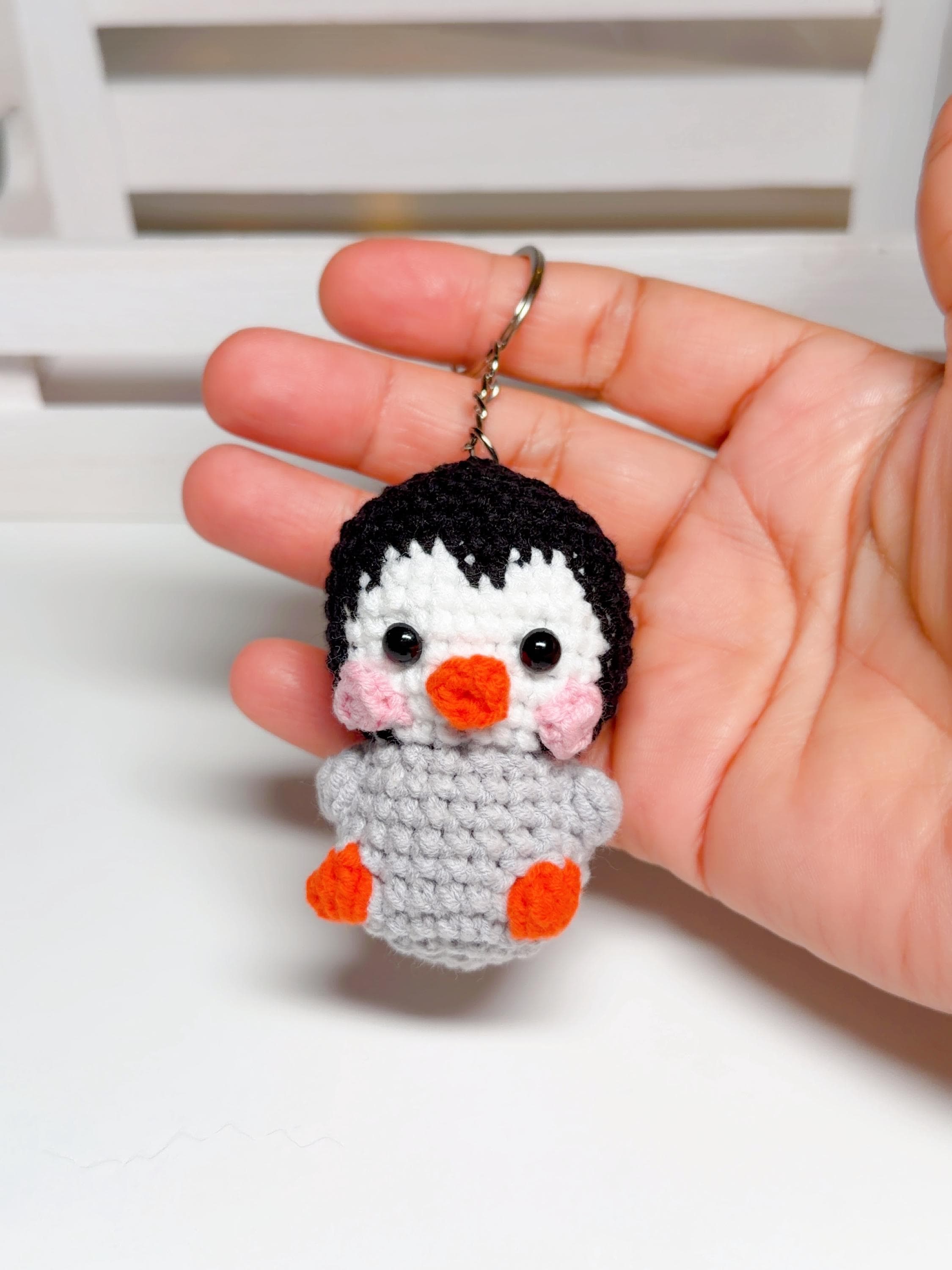
When a listing delay leaves you low on a headline item, support remaining pieces by pairing them with unrelated categories. A single amigurumi character can sit atop stacks of folded scarves, next to a small wall hanging framed with craft kits—cross-anchoring creates perceived abundance without needing more of that one SKU.
This approach requires thoughtful balancing: group too many unrelated items and the display looks cluttered; pair thoughtfully and you create new purchase combinations. In practice, pick one anchor, one color echo, and one practical add-on to keep setups tight and purposeful.
Plan seasonal beats that don’t rely on exact arrivals
Anchor your calendar around seasonal beats that allow substitution: spring’s “fresh textures,” midsummer’s “light-and-layer,” fall’s “handmade cozy,” winter’s “gift-ready moments.” Each beat suggests finishes and display types rather than specific makers, so late shipments become swaps rather than crises.
You’ll still need contingency choices for high-traffic holidays: decide in advance which non-themed items you’ll deploy if a bestseller is missing. The trade-off is smaller, pre-committed backup assortments occupy display space or backstock, but they protect your merchandising integrity during crunch periods.
Measure what matters: sell-through, but also visual health
Track sell-through and inventory days for core categories to see if your calendar aligns with customer demand. Equally important is qualitative tracking: note which color stories or arrangements draw attention, which can be logged with a simple staff photo archive tied to dates.
Be careful not to overoptimize for a single metric. High sell-through on a display could mean you priced items too low or that the display is simply understocked. Use both numbers and visual notes to decide whether to repeat, scale back or tweak themes.
Make wholesale listings work for your calendar
Organize your wholesale catalog into flexible buckets that match monthly themes—texture-led, color-led, function-led—so you can reorder displays from multiple makers when one line is delayed. With 108 listings across amigurumi, crochet, wall hangings and craft supplies, grouping by display role (anchor, filler, add-on) helps you plan without promising specific items.
When choosing between deep buys from one maker and shallow buys across many, weigh restocking ease against display consistency. A deep buy simplifies replenishment but narrows substitution options; a wide spread increases flexibility but requires more display coordination and tracking.
A practical year round gift shop merchandising calendar combines clear monthly themes, a realistic rotation rhythm, cross-merchandising techniques and measured tracking so independent shops can stay visually compelling even when specific products arrive late or scarcity bites. Start small: map six seasonal beats, assign display roles to your wholesale listings, and run a two-month test of rotation tempos. For questions specific to Helium South Beach’s wholesale categories or to share how your own calendar performed, email [email protected] or call +1 305-538-4526; you can also find visual inspiration at our Instagram: https://www.instagram.com/helium_southbeach/?hl=en.