
For independent shops, a holiday gift table can be the busiest real estate in your store. Use a simple plan that prioritizes product groups, visible pricing, a predictable refresh cadence, and a calm shopping experience. These elements reduce staff panic, help customers choose quickly, and make your selection feel curated rather than chaotic.
Holiday gift table ideas for independent shops
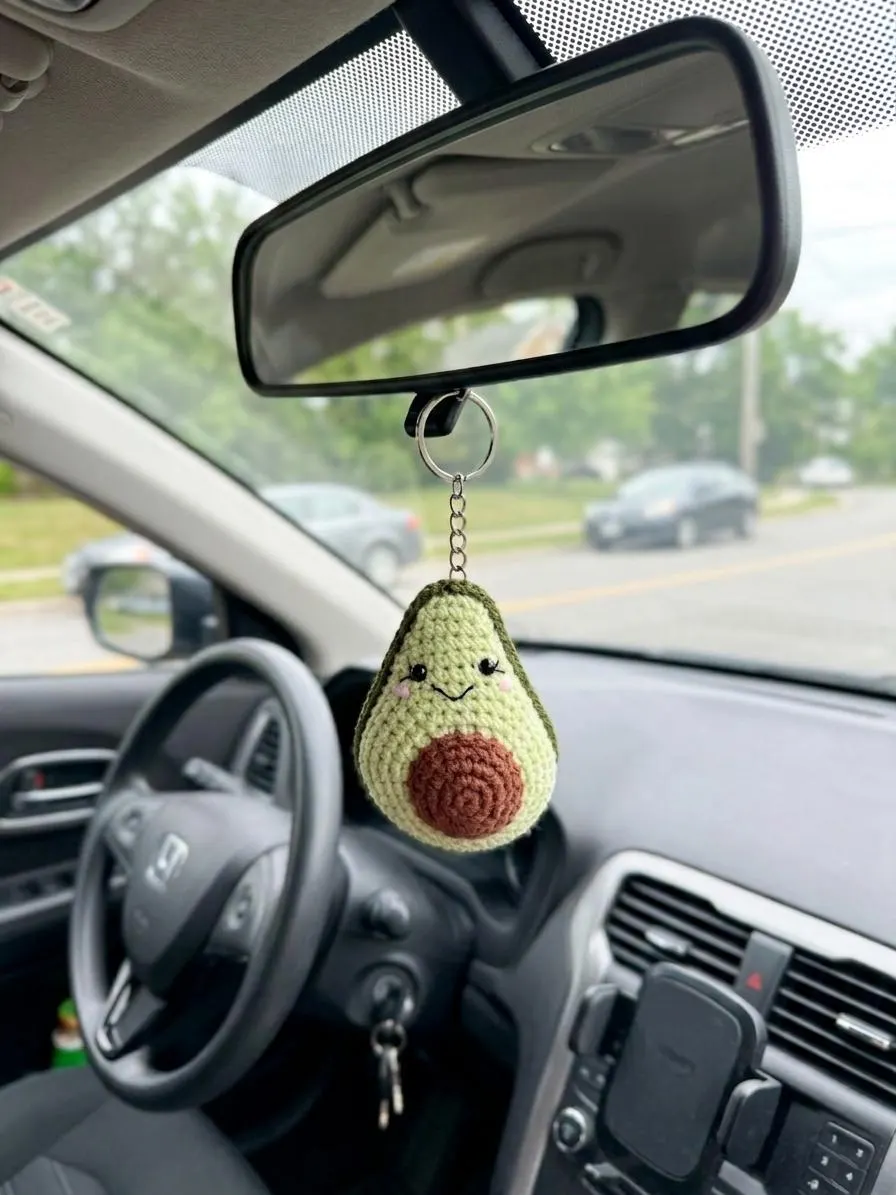
Start by choosing three to five product groups to headline a single table so shoppers immediately understand what lives there. For our catalog types consider grouping Amigurumi and small soft goods on one side, Crochet and textile accessories in the center, Wall Hangings vertically at the back, and Craft Supplies & Tools contained in clear bins or tiered trays.
Decide a dominant visual item for each group (a tall wall hanging, a stacked box of craft kits, a row of plush amigurumi) to create sightlines. This prevents one mixed mound of inventory where everything competes equally; instead each group has a role and customers can scan faster and make decisions without touching every item.
Choose clear product groups and display anchors
Group items by how customers shop: gift potential, price band, or use-case. A small “giftable” cluster works well near the front of the table with mid-range items grouped together behind it. If you choose price bands as an axis, use subtle props—like risers or colored trays—to show tiers without shouting prices.
Use physical anchors to separate groups: a narrow wooden riser, a low metal grid, or folded fabric to indicate a different section. Anchors signal that a shopper has moved into another category and reduce the cognitive load of comparing unrelated items—especially important when your catalog includes diverse categories such as Wall Hangings and Craft Supplies.
Price visibility and focal tags
Make prices immediately visible with consistent tags—same size, font and placement—so customers don’t need to hunt. Consider tagging each price band with a colored dot or small card that repeats across the table to reinforce value tiers. That helps staff answer quick questions and keeps lines moving.
Decide whether to show exact prices or three simple bands (Under $25, $25–$50, $50+). Exact pricing removes guesswork but requires more tag changes; bands simplify signage and are easier to maintain during heavy traffic. Choose the method that matches your staffing and patience for updates.
Refresh cadence: keep the table lively
Set a refresh schedule based on store traffic rather than inventory depletion: for example, a quick tidy every two hours and a full reshuffle once per day. Quick tidies mean fixing tags, straightening anchors, and topping off bestselling clusters so the table never looks neglected during peak hours.
Use a daily “what to move” rule: rotate one group to the front, swap a trailing item for a new color or variant, or replace a low-selling item with a more eye-catching piece. Small, regular changes feel fresh to repeat visitors without requiring a full redesign each day.
Design for a calm shopping experience
Keep the table footprint manageable so customers can stand comfortably on both sides and staff can access the back without squeezing. Avoid overly tall displays that block sightlines; lower heights invite browsing and allow customers to evaluate items without feeling crowded.
Provide a short clear path from the table to checkout and place a small surface for customers to set down items while they choose. A bench or narrow shelf nearby can also function as temporary staging for purchases, reducing the impulse to hold items in hand and increasing ease of decision-making.
Stocking trade-offs and realistic examples
Accept that you can’t show everything. If you have 108 listings across Amigurumi, Crochet, Wall Hangings, and Craft Supplies & Tools, pick a representative subset for the table and keep a nearby backstock organized by group. Display variants that photograph and sell well in your space; keep extras labeled and easy to reach.
When space is tight, prioritize high-turn and high-visual items up front and use smaller pack sizes for craft supplies in clear containers. Trade-offs are inevitable: showing fewer SKUs increases visual clarity but reduces breadth. Decide which matters most for your clientele and staff capacity and document that choice so it’s repeatable.
A holiday gift table that feels calm and useful starts with grouping, consistent pricing visibility, a practical refresh cadence, and small display anchors. Test one layout for a day, note what customers touch, and iterate. For local help or a look at our wholesale catalog categories, contact Helium South Beach at [email protected].