
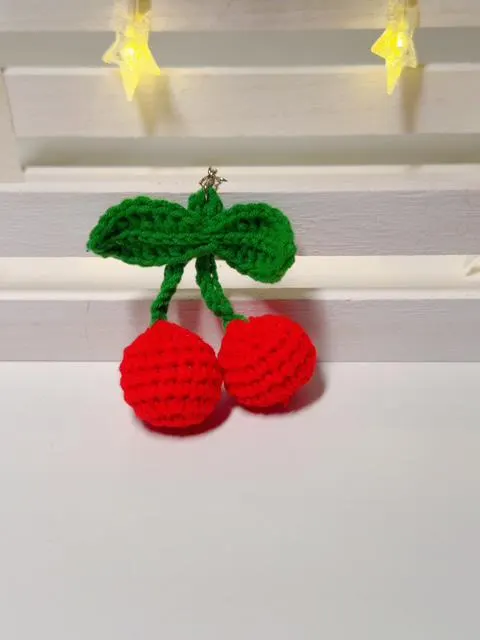
Amigurumi—small, expressive crocheted miniatures—are a rich visual and tactile element for independent shops, but they don’t sell themselves. Thoughtful grouping, honest labeling, and clear trade-offs between display density and discoverability will help your customers find them and make thoughtful purchases. This article walks through concrete choices a boutique can make: how to arrange amigurumi with other gifts, how to price and place them for impulse versus intended purchases, and how to communicate material or small-parts details without over-explaining their intended use.
Set an intention before you group small crocheted pieces
Decide what story you want a shelf to tell before pulling items together. Is the goal to create impulse grab-and-go sections near the register, a themed gift wall for birthdays, or a seasonal vignette? Intention affects quantity: a dense, colorful cluster reads like a playful impulse section, while fewer, spaced-out pieces read as giftable keepsakes.
Trade-offs matter: denser displays increase visual interest but can bury individual craftsmanship details. If pieces are handmade and you want customers to notice stitch work or texture, give more breathing room and use risers or small stands. For impulse buys, pack a small basket with a few amigurumi and companion items like cards or small candles to suggest a ready-made present.
Create compact vignettes that tell a gift story
Group amigurumi with complementary small goods to create complete gift ideas. Pair a crocheted animal with a simple notecard and a handcrafted pencil, or place a tiny amigurumi with a locally blended tea sample—each vignette suggests a use without spelling one out. Keep scale and color in mind so the amigurumi remains the focal point rather than getting lost among larger items.
Use props to elevate perceived value: a small tray, a folded muslin, or a handwritten tag can make a miniature feel curated. A practical decision is whether to price vignettes as bundles or sell items individually; bundling simplifies the purchase path but reduces flexibility for customers who want only one piece.
amigurumi gifts for independent retail shelves
When merchandising amigurumi gifts for independent retail shelves, prioritize sight lines and touch points. Place smaller crocheted pieces at eye level for the target shopper—children’s-focused items might go lower, while novelty and collector-focused miniatures do better on mid-shelf. Rotate a few hero pieces regularly so returning customers see something new.
Consider shelf signage that helps customers scan quickly: a short phrase such as “small gift ideas” can help shoppers scan; add a price range only after confirming the actual threshold. The balance between discovery and education is a trade-off: too much explanation feels prescriptive, while no context can leave shoppers unsure if the item is gift-worthy.
Price bands and placement: balancing impulse and considered gifts
Decide on price bands before merchandising. Low-price amigurumi are ideal for checkout or endcap displays that drive impulse buys, while higher-priced, more detailed pieces deserve a dedicated space with better lighting and a short materials note. The decision affects how many items you display and how you protect them from wear.
Placement also signals value: placing a single amigurumi on a pedestal or within a small glass dome implies a higher price point than a basket of many. If you offer both low- and high-price pieces, separate them into distinct zones so customers know what to expect and can self-select based on budget.
Labeling, materials notes, and small-parts transparency
Be clear but concise on shelf labels. Note materials, maker origin if listed, and direct customers to the product listing for care or safety details. Because listings vary, avoid blanket statements about construction or suitability; instead use a short line such as “handmade — see tag/online listing for care and cautions.”
When small parts might be present, defer to the specific product’s information rather than generalizing. Train staff to reference individual tags or the online listing if asked about care or small-parts cautions. Clear, factual labels build trust without overstating how an item should be used.
Rotate themes and refresh displays without over-talking use
Rotate the context in which amigurumi appear to keep displays fresh and discoverable. One month they can anchor a “desk delights” shelf with stationery; the next month they can appear with seasonal wrap and tags. Rotations let you test which pairings sell without committing to permanent messaging about intended use.
Avoid over-labeling with instructions on how customers should use the pieces. Instead, use suggestive pairings and let shoppers imagine their own uses. If a particular grouping consistently sells, use that data to replicate the pairing elsewhere; if it doesn’t, try changing scale, placement, or complementary items before concluding the product isn’t right for your audience.
Curating amigurumi gifts for independent retail shelves comes down to clear intent, smart pairing, and transparent labeling. Make deliberate choices about density, price band, and context, and always point customers to the specific product listing or tag for care and small-parts information. For examples or to discuss layout ideas in person, contact Helium South Beach at 760 Ocean Drive Store No. 6, Miami Beach, FL 33139, email [email protected], or call +1 305-538-4526.