
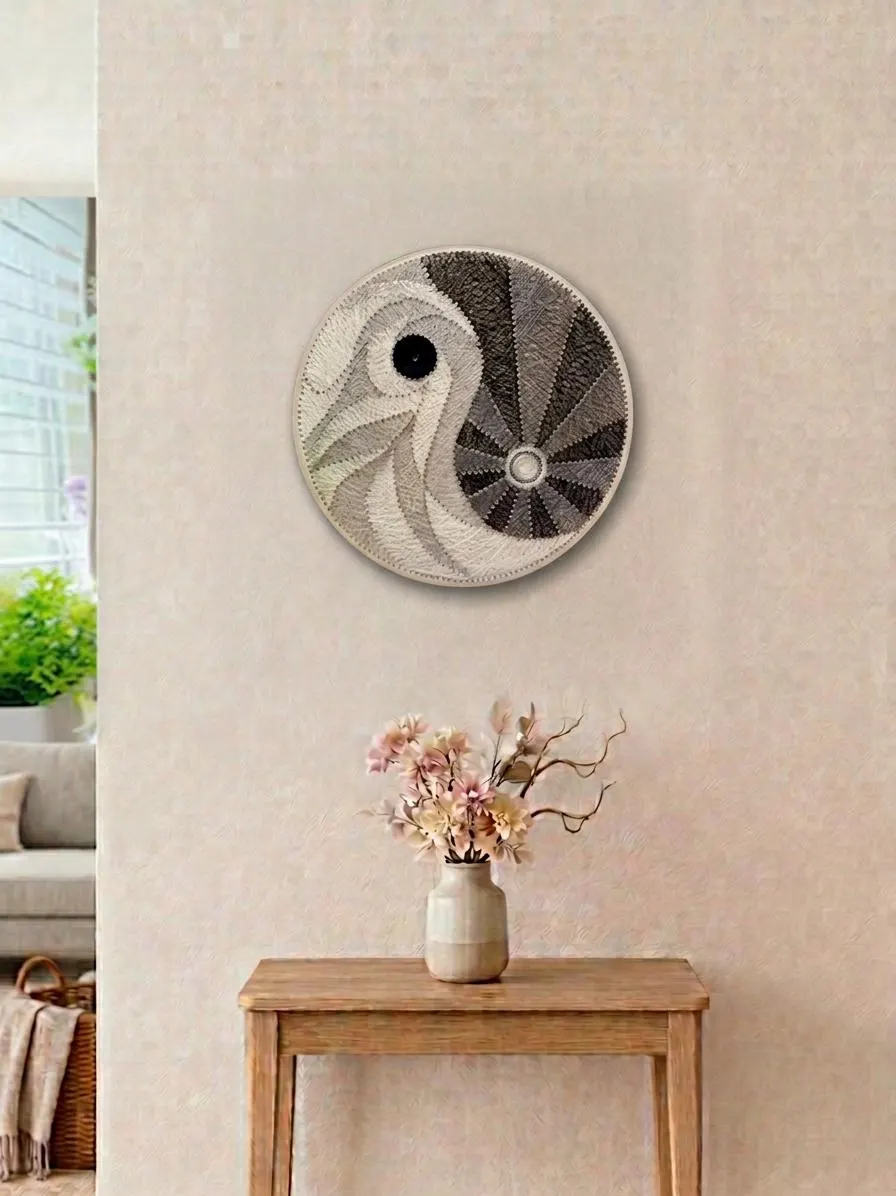
Before you bring a wood-and-thread wall hanging out of its box and onto the wall, a little preparation saves time and prevents damage. This guide focuses on gentle dusting and basic handling considerations, all with an emphasis on following the supplied product instructions and the listing details for the specific piece you bought.
How to read the supplied product instructions
Always start by locating and reading the seller’s care notes that came with your piece. Those instructions may call out particular finishes, adhesives, or thread types used by the maker; following them takes priority over any general advice because the maker knows how the piece was constructed.
If the listing or paper insert suggests specific cleaning agents, tools, or mounting hardware, treat that as the baseline. When in doubt, pause and contact the seller listed on the product page for clarification rather than improvising with liquids or strong cleaners that could alter finishes or weaken thread tension.
Gentle dusting techniques for wood-and-thread pieces
Use dry, soft tools to remove surface dust: a clean microfiber cloth, a soft-bristle paintbrush, or a small camera-lens blower work well without tugging on thread. Sweep along the grain of the wood and follow the direction of the thread where possible, keeping pressure light so you don’t shift nails or loosen knots.
Avoid liquids unless the instructions explicitly permit them. Water, solvents, or household cleaners can cause discoloration, swell the wood, or dissolve adhesives. If a maker’s listing specifies a damp cloth, test that approach on an inconspicuous edge first and blot rather than rub.
Handling without stretching or distorting thread
Handle the piece by its wooden backing rather than touching the thread wherever possible. Oils from skin will transfer and can attract dirt over time; supporting the back reduces strain on the string pattern and keeps the design intact while you inspect it.
If you must move the artwork with two hands, place one on each short edge of the backing and keep the plane of the piece vertical. Avoid holding the work by hanging hardware, nails, or the top edge of the thread pattern, because those points can concentrate stress and shift tension.
Choosing a temporary spot to inspect and photograph
Before you commit to a wall location, lay the piece flat on a clean surface with the face up and inspect all sides. Check for loose ends, tiny dust nests, or uneven tension; photograph the front and back so you have a record of condition before installation or in case you need maker support later.
This inspection step is also a chance to plan framing or mounting. If you intend to add a frame or protective glazing, test-fit materials and check how any added depth will affect hanging hardware and clearance from the wall.
Deciding on adhesives and mounting hardware
Choose mounting options based on the piece’s construction and the maker’s recommendations. Removable wall strips and picture hooks both have trade-offs: strips avoid drilling but may fail on textured walls or damage certain finishes, while screws and anchors are more secure but require holes and may need a sturdier backing.
If the listing included hardware, try that first. If you’re substituting, opt for hardware rated for similar framed pieces and test on a small sample area when possible. When in doubt about weight or attachment method, consult the product notes or contact the seller for guidance before drilling or applying adhesives.
Care for handmade string art before hanging
When you care for handmade string art before hanging, prioritize gentle, reversible actions that preserve the maker’s work: light dusting, careful handling, and following explicit instructions will reduce the risk of accidental damage. Treat each step as an inspection, not a fix—if you find a loose knot or damaged thread, check the listing for repair guidance rather than attempting a major alteration on your own.
Keep a small repair kit nearby for minor, maker-approved fixes: a soft brush, tweezers, and a photo of the original piece can help you correct small issues without guessing. And remember that many makers are willing to advise on repairs or recommend a local conservator—reach out with the piece’s listing details if you need specific help.
A few careful minutes before hanging will help preserve the look and integrity of your string art. Always refer to the supplied product instructions and the listing for piece-specific guidance; if anything is unclear, contact the seller. For questions about listings sold by Helium South Beach, email [email protected] or call +1 305-538-4526.