
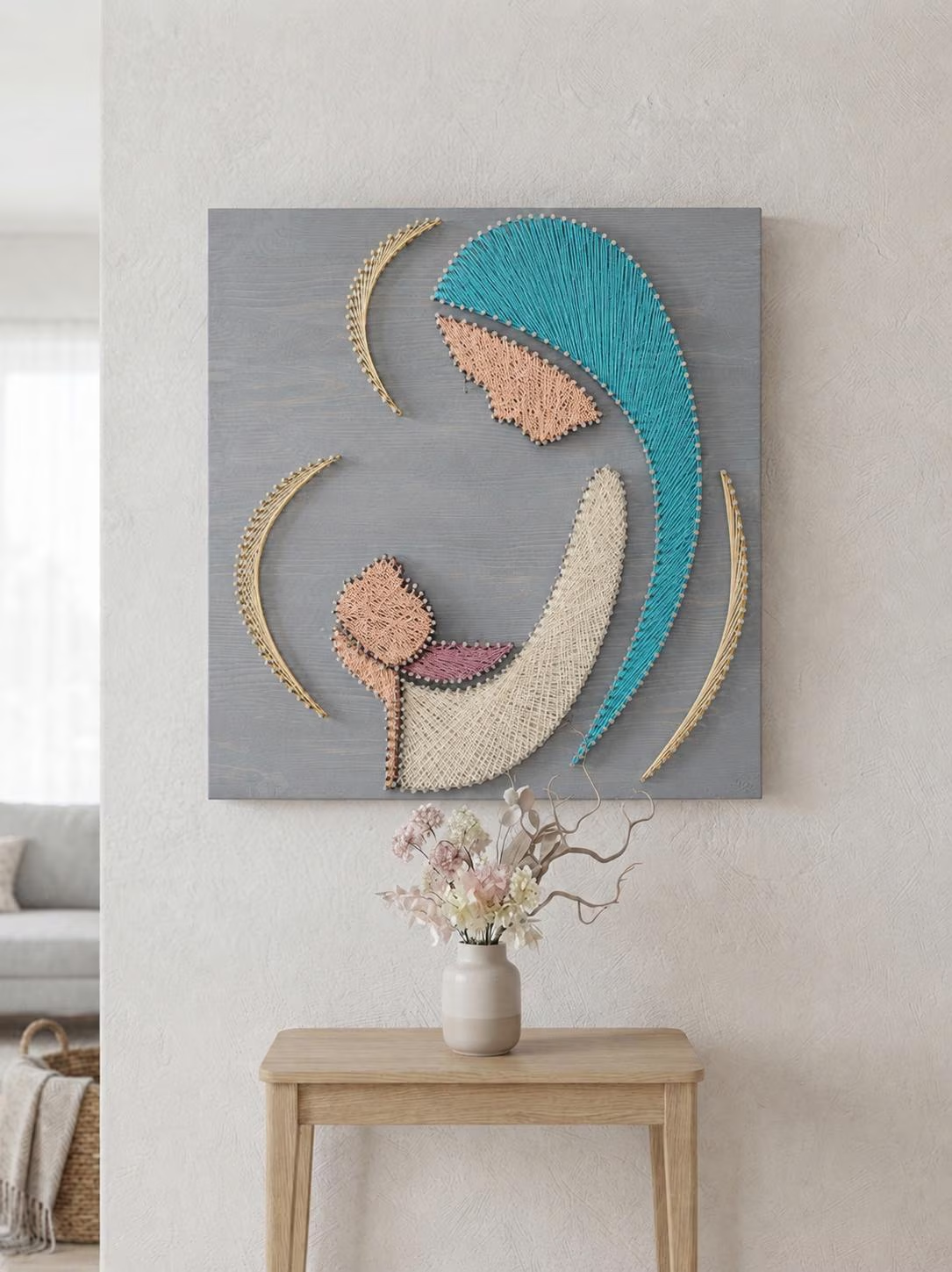
Wood-and-thread wall hangings add a tactile, handcrafted note to coastal interiors without shouting for attention. When you consider scale, placement and color together, string art can read as driftwood-elegant or bright and nautical—depending on the mood you want. Below are concrete placement and palette ideas that help string art sit comfortably in beachy living rooms, bedrooms, entryways and beyond.
How to style handmade string art in coastal homes
Start by deciding whether your piece should play leading role or a supporting one. A single large wood-and-thread work becomes the focal point over a sofa or mantel, while smaller pieces work well grouped as supporting accents near nautical textiles, woven rugs or rattan furniture. Think in terms of visual weight: thread colors with high contrast to the wood will draw the eye farther than pale, sandy threads that blend in.
Consider proportion rules used in interior design: a piece that sits above a sofa often looks balanced when it spans about 60–75 percent of the sofa’s width, while a gallery cluster should keep a roughly even margin from adjacent furniture. Use paper templates taped to the wall to test sizes before you commit to nails or screws—this simple step avoids last-minute resizing or awkward empty space.
Choose coastal palettes that pair with room textiles
Coastal rooms typically use a base of neutrals with accents drawn from the sea and shore—think bleached wood, sand, seafoam, and navy. Use the thread in the string art to echo one of those accent colors: a navy outline will read crisp against pale plaster, while muted turquoise or sea-glass tones soften a bold patterned textile.
If your room already has strong color accents, select thread shades that harmonize rather than compete. For example, if your throw pillows feature coral, introduce a small coral thread detail in the artwork and keep the rest of the piece in neutrals. For a quieter look, keep the thread and wood in closely related values so the texture becomes the feature instead of the hue.
Placement trade-offs: single hero piece vs. groupings
A single hero piece above a low-profile sofa or bed creates a clean, modern statement that reads well in open-plan coastal homes. The trade-off is flexibility: one large work commits the wall, so changing the room’s layout or swapping in a different focal point becomes more involved than shifting smaller pieces.
Groupings of three to five smaller string art panels offer flexibility and an opportunity to play with rhythm and scale. Arrange them horizontally above narrower furniture like a console, or stack vertically in stair landings. Keep consistent margins between frames—typically 2 to 4 inches—for a cohesive grouping, and vary thread colors slightly across panels to achieve a curated, collected look.
Consider texture and surrounding materials
String art’s tactile quality pairs beautifully with coastal textures—linen curtains, jute rugs and woven baskets. Position a wood-and-thread piece near a woven headboard or beside a shelf of pottery to build layers that read as intentional and relaxed rather than cluttered.
Opposite trade-offs matter too: if the room already has many textured elements, a simpler or monochrome string art piece will prevent visual overload. Conversely, in a very minimal room, a piece with more color or denser thread work can introduce warmth and personality without upending the calm.
Lighting and shadow: show the construction to advantage
Natural light will emphasize thread sheen and wood grain, but consider how directional light creates shadows from raised nails or string relief. A low-mounted gallery light or adjustable track light can add subtle drama in the evening and highlight the piece’s dimensionality—just position the beam so it doesn’t wash out delicate thread colors.
When installing near windows, be mindful of prolonged direct sun on certain thread colors; some hues may fade faster than others. If you’re uncertain, place string art where it benefits from indirect light or use window treatments to soften intense sun. Test a small area of the wall at different times of day to see how light and shadow change the piece’s presence.
Hanging height and alignment tips for coastal rooms
Aim to hang artwork so the visual center sits roughly at eye level—about 60 inches from the floor is a common starting point—adjusting up or down depending on furniture height. For instance, when hanging above a high-backed sofa or bench, position the bottom edge 6 to 12 inches above the furniture rather than centering at the standard eye level.
When arranging multiple pieces, align either their centers or top edges to create a deliberate composition. For pieces above furniture of different heights, align to the tallest anchor and stagger other pieces accordingly. Use painter’s tape templates and a level to ensure precise placement before drilling or driving fasteners.
If you’d like to see wood-and-thread pieces in person, stop by Helium South Beach at 760 Ocean Drive Store No. 6 in Miami Beach or contact [email protected] for questions. We’re happy to help you test sizes, colors and placements in your space; bring a photo of the wall so you can compare proportions on the spot.