
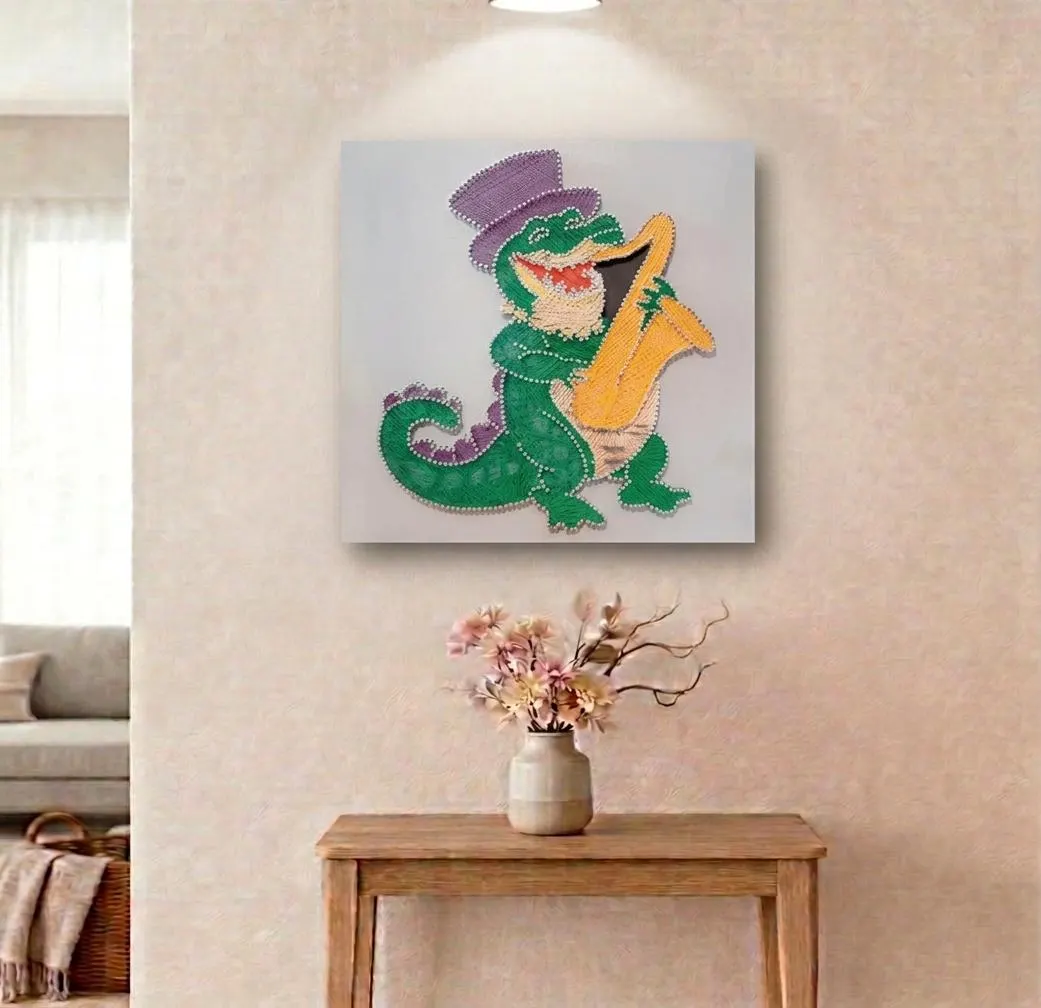
A well-edited coastal gift shelf balances color, texture and product types so customers can see range without feeling overwhelmed. This article gives a manageable display recipe you can build in an afternoon using wall hangings, small handmade goods, and craft supplies to create a seaside mood that reads cohesive from across the room.
Start with a three-color palette
Limit your shelf’s main color story to three colors: one neutral, one mid-tone, and one accent. Neutral anchors such as sand, warm white or driftwood tones let textured wall hangings and crocheted pieces stand out without fighting each other. Choosing a mid-tone like soft blue or sage keeps things coastal without relying on literal motifs.
Decide whether you want cool or warm overall energy before you shop the shelf. Cool palettes—pelagic blue, sea-glass green and a pale neutral—feel breezy; warm palettes with coral or ochre accents feel sun-washed. The trade-off is obvious: bolder accents command attention but reduce flexibility if you swap in seasonal items later.
Coastal gift shelf merchandising ideas: mix color and texture
Use texture to create interest where color is limited. Place a textured wall hanging at the highest point to act as a backdrop, then layer mid-height items like soft amigurumi or crochet accessories that provide a tactile counterpoint. Texture organizes the eye vertically and prevents a flat, poster-like look.
Balance heavy textures with smoother surfaces—glass jars of craft supplies, wrapped bundles or small framed prints—to give the shelf breathing room. The decision to include very smooth or very textured pieces depends on how busy the surrounding store area already is; busier floors benefit from simpler shelf surfaces so the display reads clearly.
Arrange by product type and visual weight
Group similar product types together so shoppers can quickly understand what you sell: put wall hangings at the top or behind, arrange small handmade goods at eye level, and gather craft supplies or tools near the lower shelf. Grouping reduces visual scanning time and makes mix-and-match purchases easier for customers.
Think in terms of visual weight when placing items. Taller or darker items anchor the ends of the shelf, while lighter, smaller pieces fill the middle. If you’re weighing display density, remember the trade-off: denser displays show variety but can feel cluttered; a sparser arrangement emphasizes individual handmade pieces but may sell fewer impulse items.
Use risers and containers to create layers
Risers, small stands and shallow bowls add quick vertical variety without changing shelf depth. Raising a handful of small items a few inches creates focal points and prevents low-visibility pieces from vanishing at the back. Use low, neutral risers that fit your chosen palette so they disappear visually and let the product lead.
Containers—textured trays, open baskets or shallow boxes—corral small parts and make tactile browsing feel more inviting. When using containers, keep them simple and consistent so they act as organizing devices instead of competing design elements. The trade-off here is cost and time: adding risers takes a little effort but dramatically improves perceived value.
Signal price and pairing without heavy signage
Instead of large signs, use small, consistent tags or cards to indicate price bands or pairing suggestions. A single line—like “pair with wall hanging above” or “perfect with coastal craft kits”—helps shoppers imagine combinations without cluttering the visual field. Keep typography and card color tied to your three-color palette for a clean look.
Consider soft zoning: group higher-price handmade statement pieces separately from lower-cost impulse items so shoppers can choose quickly. This approach requires balancing the shelf’s perceived value; clustering only expensive items can intimidate browsers, while mixing every price together can hide your best sellers.
Rotate and test what draws attention
Change one element every two weeks—swap the accent color, move the wall hanging, or rotate in different craft supplies—and observe which items customers pick up first. Small, regular changes keep returning shoppers interested and let you test color or texture combinations without a complete re-do.
When tracking performance, consider both sales and engagement. An item that’s often picked up but not purchased may need a complementary pairing or clearer product information. Always defer to individual listing details for care and small-parts cautions rather than assuming uniform safety or care instructions.
A coastal gift shelf that feels both curated and approachable depends on clear color choices, layered texture, thoughtful grouping and modest merchandising tools like risers and small signage. If you want hands-on help building a display or to see current handmade wall hangings and craft supplies, visit Helium South Beach at 760 Ocean Drive Store No. 6, Miami Beach, FL 33139, email [email protected], call +1 305-538-4526 or see our Instagram at https://www.instagram.com/helium_southbeach/?hl=en. Our source catalog includes listings across Amigurumi, Crochet, Wall Hangings and Craft Supplies & Tools—check each listing for product-specific care and small-parts information.