
A balanced gift assortment is not a fixed formula. It’s the result of reconciling floorplan, cashflow, supplier realities and customer habits into a coherent selling lineup. Below is a pragmatic framework you can adapt to your own constraints rather than chasing universal ratios.
Balanced gift assortment planning for retailers
Start by converting the idea of balance into measurable questions: what footprint do you actually have, which use occasions occur most often in your market, and where do suppliers force minimums? The workbook behind this exercise includes 108 listings across Amigurumi, Crochet, Wall Hangings, and Craft Supplies & Tools, which is a useful starting pool. Use those real SKUs to model how many of each type you can realistically house and rotate.
Avoid treating balance as a magic split of percentages. Instead, plan assortments by constraint: how many linear feet, how many hanging hooks, how many shallow vs deep shelves, and how much working capital you’ll tie up. Those limits produce natural ceilings for category depth and breadth, and they make trade-offs explicit when you decide to add a new handmade wall hanging or a small-batch amigurumi.
Map your physical and financial constraints
Document every hard constraint before you pick SKUs. Measure display zones (endcaps, counters, pegboards), estimate average unit cost, and identify minimum order quantities or lead times from makers. These inputs let you run simple scenarios: for example, swapping a high-cost crochet kit for more low-cost craft supplies to free up working capital.
When you run these scenarios, include variability. Handmade goods and small-run craft items may have unpredictable replenishment. If a category ties up capital for longer or has longer lead times, show its true cost by calculating how many slots it blocks for the typical refill window. That keeps decisions grounded in cashflow realities instead of appearance alone.
Balance sizes with display and checkout flow
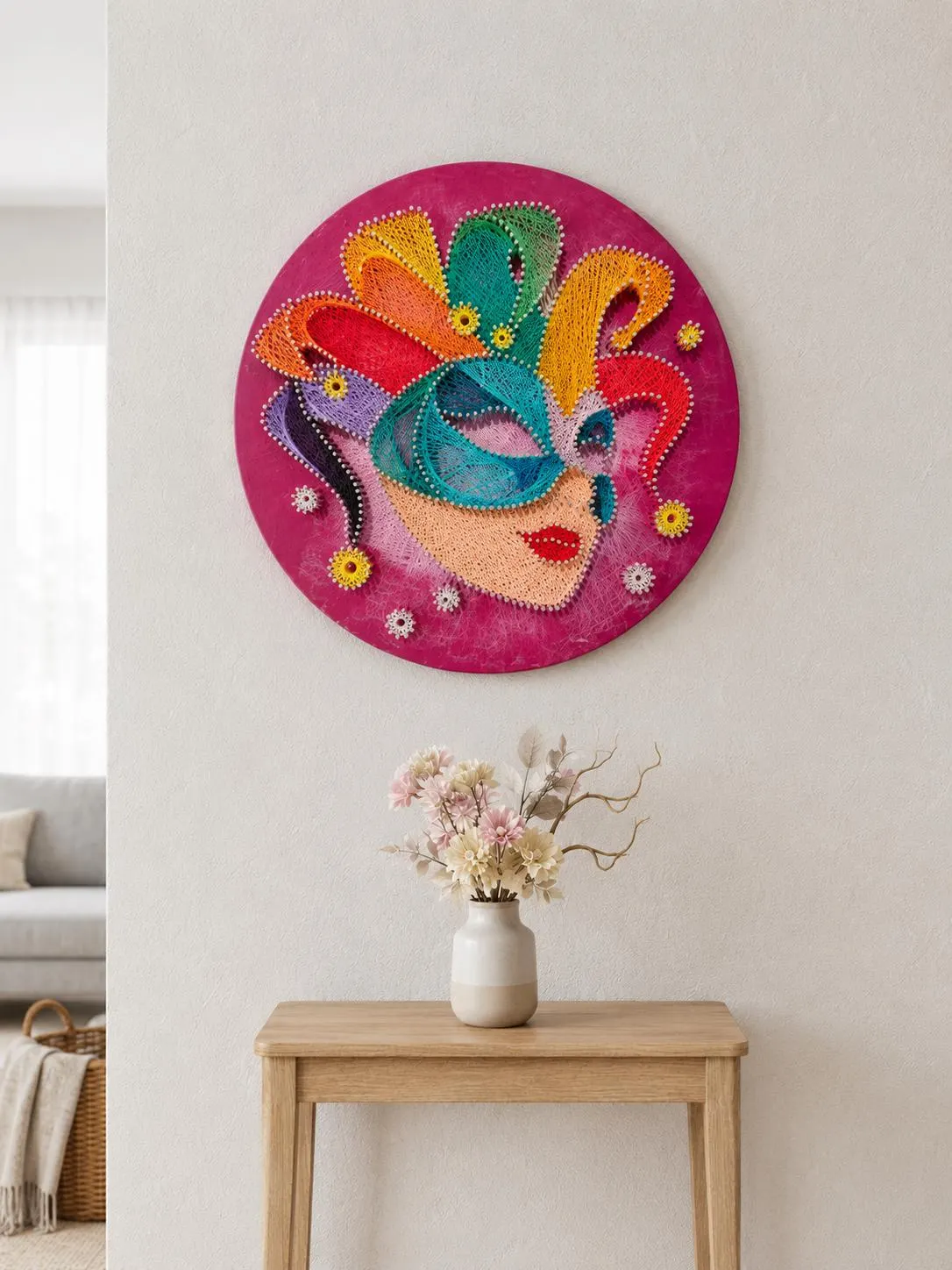
Gift sizes affect merchandising more than you might expect. Large wall hangings need vertical real estate and can be destination items that draw customers into the store, while amigurumi and small craft tools are impulse-friendly near checkout. Decide which zones are for discovery versus quick purchases and allocate sizes accordingly.
Trade-offs are inevitable: prioritizing large statement pieces reduces capacity for high-turn small items and vice versa. Use the physical flow of your store to guide where each size lives. If your checkout counter is small, create a compact impulse bay nearby rather than crowding the register with oversize items that slow transaction speed.
Match use occasions to inventory cadence
Define the use occasions you need to cover in your assortment: birthday gifts, hostess items, teacher gifts, craft workshop add-ons, and travel-friendly souvenirs. Each occasion has a different purchase cadence. Frequent, low-dollar occasions benefit from more SKU turnover; occasional, high-dollar purchases need fewer but more presentable options.
Plan replenishment schedules around those cadences. For frequent-occasion items, choose SKUs with steady supplier availability and easy reorder. For occasional splurge items, prioritize presentation and margin, accepting lower turnover but higher per-unit contribution. The goal is to align the rhythm of ordering with the rhythm of customer needs.
Spread categories to avoid blind spots
A balanced assortment across categories means deliberately preventing blind spots where a customer enters with a need you can’t meet. With the workbook’s 108 listings, map each SKU to a primary role: gift, accessory, workshop supply, or home decor. Ensure every role has at least two distinct entry points — different price points or sizes — so you capture cross-shopping customers.
This doesn’t mean covering every niche; it means ensuring overlap. For example, pair amigurumi with small craft kits and a few crochet tools so you can convert a curious browser into a maker. In practice, that often looks like adjacency planning: placing complementary categories next to each other to boost add-on purchases.
Tier price levels for realistic purchase paths
Create visible tiers (low, mid, giftable splurge) and populate each with concrete SKUs. Don’t invent tiers without testing: pick representative items from your 108 listings to see how customers respond. Make sure the low tier includes attractive impulse buys, the mid tier offers a clear value proposition, and the splurge tier justifies its higher price through presentation or perceived uniqueness.
Be explicit about the trade-offs when shifting tiers. Increasing the number of splurge items can raise average transaction value but will likely reduce unit velocity. Conversely, over-indexing on low-ticket items may grow foot traffic and transactions but depress average sale. Use POS data to iteratively adjust the ratio between tiers based on what actually moves.
A balanced gift assortment is a living plan grounded in your store’s real constraints: display space, cashflow, supplier patterns, and customer occasions. Use the 108-listing workbook to prototype combinations, then measure turnover and adjust. If you’d like a hands-on review of a local assortment, Helium South Beach (HELIUM, INC.) is at 760 Ocean Drive Store No. 6, Miami Beach, FL 33139; email [email protected] or call +1 305-538-4526. You can also see visual merchandising examples on Instagram @helium_southbeach. Keep testing, make trade-offs explicit, and let constraints, not arbitrary ratios, define a balanced assortment that works for your business.