
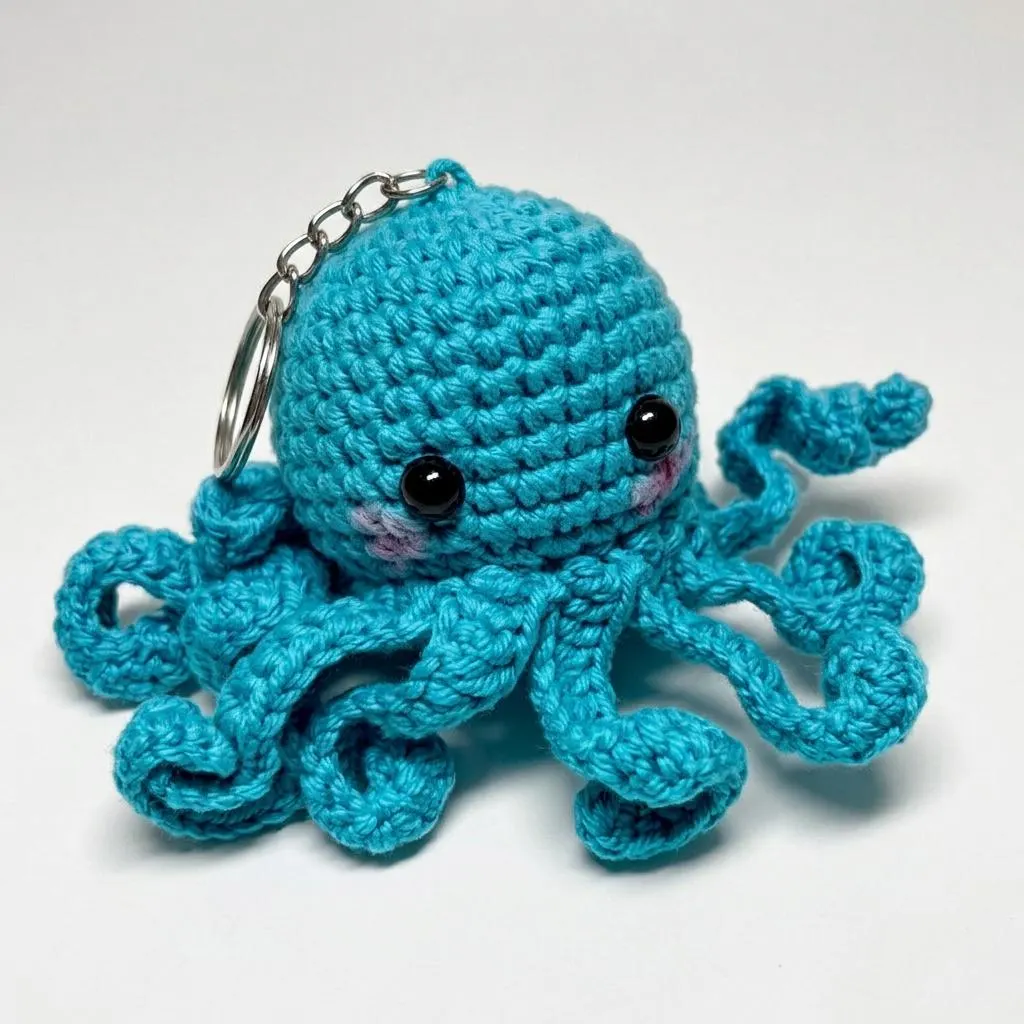
Crocheted amigurumi are made to be handled, loved, and kept through years of use. When you care for crochet amigurumi keepsakes, the single most important rule is to follow any product-specific label or listing instructions first. This article gives general, gentle principles you can apply when a label is absent or to help decide between common care options.
Care for Crochet Amigurumi Keepsakes: Daily Handling
Daily handling habits make a big difference. Keep hands clean before cuddling or moving a piece to reduce oils and grime building up in yarn fibers. If the amigurumi has sewn-on eyes, buttons, or other attachments, check them regularly; product listings sometimes note small-parts cautions that should guide how you handle and display the item.
Rotate display positions occasionally so one area’s surface doesn’t wear faster than the rest. Avoid exposing crocheted pieces to prolonged, direct sunlight which can fade colors over time. When you pick up a keepsake, lift it by the body rather than a limb or delicate trim to minimize stress on seams and joins.
Spot cleaning and gentle washing choices
When a local spill or smudge occurs, start with spot cleaning: blot excess liquid with a clean cloth, then gently dab the area with cool water and a mild detergent if the label permits. Test any cleaner on a hidden area first to check for colorfastness and fiber reaction before treating an obvious area.
If a full wash seems necessary, weigh the trade-offs. Hand washing in cool water with a mild soap is often the gentlest option when no label is available. Machine washing can be quicker and sometimes acceptable when a product label explicitly allows it, but it may compress stuffing or change texture. Use a mesh bag and the gentlest cycle only if the maker or label advises machine care.
Drying, reshaping, and stuffing considerations
After washing, press out excess water with a towel rather than wringing, which can distort shaping. Lay the amigurumi flat on a dry towel and reshape it to its original proportions while damp; positioning the limbs and smoothing seams now helps the piece dry in the intended form. Avoid hanging heavy, water-laden items that can stretch under their own weight.
Air-drying is the safest drying method unless a product label specifies otherwise. Heat from dryers or direct heaters can shrink certain yarns or alter filling materials, so accept longer drying times as the trade-off for preserving shape. If stuffing has shifted, redistribute it gently while the piece is damp or after partial drying to maintain a balanced silhouette.
Repairing loose stitches and small damage
A loose stitch caught early is an easy fix. Use a blunt yarn needle and a length of matching yarn to work the stitch back into place, following the original stitch pattern. If a seam has opened slightly, restitch it with small, neat passes and tie off securely on the inside to keep the exterior clean and intact.
Decide when to repair at home and when to consult the maker or a professional. Simple resewing, restuffing, or replacing a small button often makes sense as a DIY repair. For complicated structural damage, mixed materials, or if a listing warns about special construction, preserving the piece’s integrity may require professional restoration or contacting the original seller for guidance.
Long-term storage and display options
Store amigurumi in breathable containers to avoid trapped moisture and mustiness; cotton bags, pillowcases, or open shelving work well. Avoid plastic boxes for long-term storage unless silica gel packets are used and you confirm that containment won’t harm the yarn or any attachments. Regularly check stored pieces for pests, discoloration, or shifts in stuffing.
When choosing display methods, weigh dust protection against airflow. A glass-front cabinet keeps dust off but can trap humidity unless the room is well ventilated. Open display allows air circulation but requires more frequent surface dusting. Keep keepsakes away from direct heat sources, which can dry and weaken fibers over time.
Dealing with stains, odors, and pets
For tough stains or lingering odors, start with mild, household-safe approaches and test first. A diluted mild soap rinse and thorough air drying can remove many light odors. Avoid aggressive chemicals unless the product label authorizes them; they can discolor fibers or weaken yarn. If the maker’s listing includes care notes about scents or stain resistance, follow those instructions.
Pets add another consideration: keep delicate or heavily embellished pieces out of reach if there’s any risk of chewing or tugging. If a pet has moulted on a piece, a lint roller or careful hand-picking can remove fur; avoid vigorous brushing that might fuzz or distort the crocheted surface. When in doubt, check the specific product listing for small-parts or pet-related advisories.
Caring well for crochet amigurumi keepsakes is mostly about gentle handling, following product labels when provided, and making thoughtful choices about cleaning, drying, storage, and repairs. If you have questions about a specific item from Helium South Beach, contact our store at HELIUM, INC., 760 Ocean Drive Store No. 6, Miami Beach, FL 33139, email [email protected], or call +1 305-538-4526. You can also find us on Instagram at https://www.instagram.com/helium_southbeach/?hl=en for visual care ideas and to see our current amigurumi selection.