
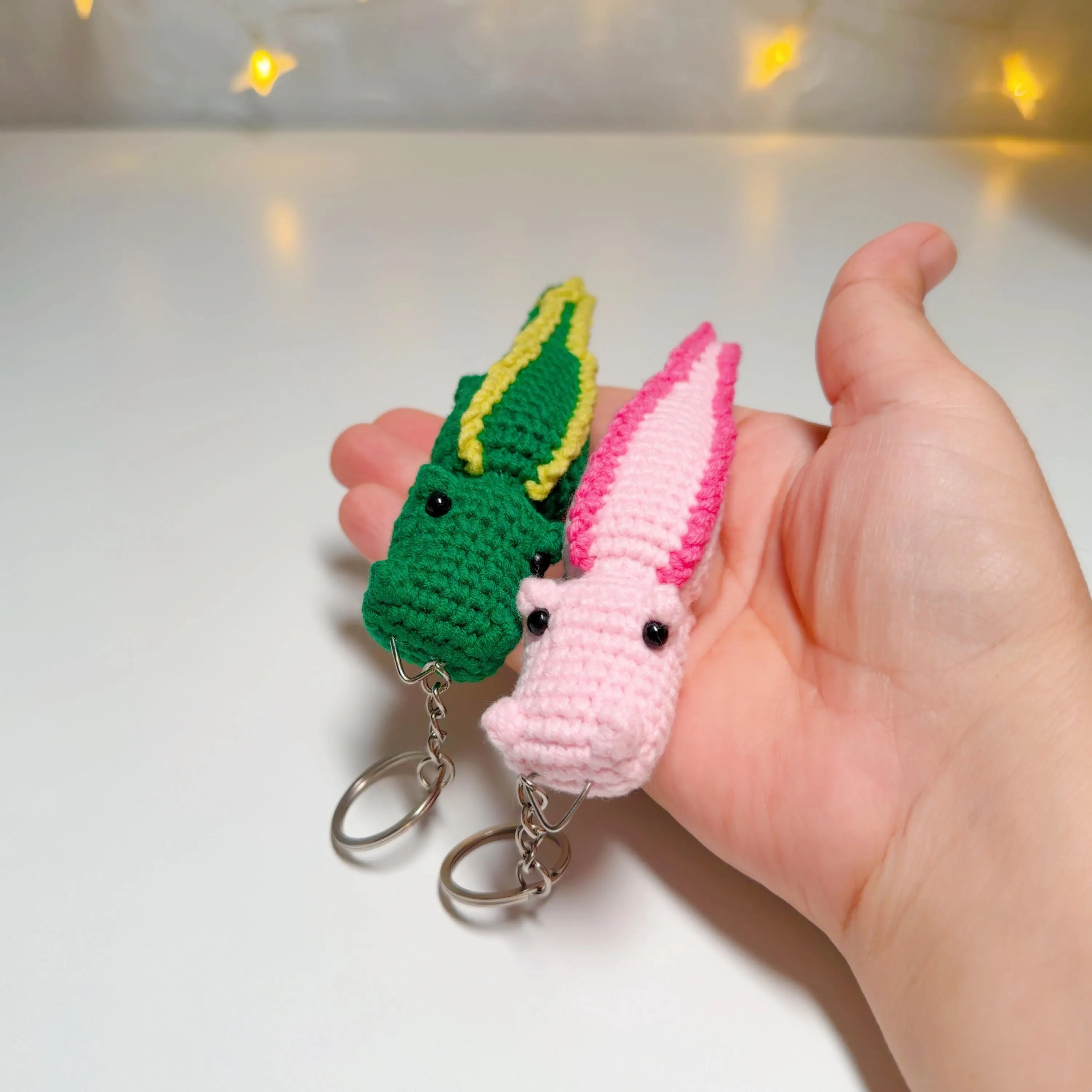
Travelers buy souvenirs that fit into luggage, tell a story and survive a trip home. For destination retailers, handmade items — especially amigurumi and small crochet goods — offer tactile, memorable keepsakes. To turn craft into consistent sales, curators must be explicit about sizing, attachment choices and care so shoppers know what will travel well and why.
Make portability the first merchandising decision
Start product selection with the question: can this piece be carried home? Portability is more than small dimensions. Consider how an item fits into a suitcase, sits in a shoulder bag, or would look on a hotel dresser. Items that compress slightly, resist snagging and don’t rely on delicate packing make better candidates for impulse buys at a busy travel counter.
Design merchandising around traveler behavior. Position lightweight, compact amigurumi and flat wall hangings near checkout or near store entrances where people pause, and keep larger or fragile pieces in protected displays. Labeling that calls out dimensions and an estimated packed size helps customers make quick decisions under time pressure.
Curating handmade gifts for travel retail stores
Curating for travel retail means selecting goods that reflect place while solving packing problems. Choose a range of pieces across price and size: a tiny pocket amigurumi, a mid-size decorative piece, and a flat hanging that fits between shirts. This lets shoppers match keepsakes to luggage space and budget without needing staff to explain every option.
Think about grouping items into travel-ready bundles. Offer suggestions on signage—such as “fits in carry-on,” “compressible,” or “loops for clip-on” — based on individual listing facts. Because listing details vary, reproduce the exact sizing and care notes from each product’s description rather than generalizing across categories.
Size, weight and the packing trade-offs
When choosing items, weigh compactness against perceived value. A tiny amigurumi is easy to pack and often sells well to casual shoppers, but larger handcrafted pieces communicate artisanal value and can command higher price points. Make those trade-offs explicit with signs that show both dimensions and visual packing examples to set expectations.
Ask makers for finished measurements and approximate packed volume so you can test how items stack in different carry-ons. If a piece requires a protective box or special wrapping to travel safely, reflect that in your merchandising and pricing decisions; shoppers will accept a modest premium for obvious travel protection if it’s presented clearly.
Attachment options: loops, clasps and removable parts
Attachment choices determine how shoppers will carry and display keepsakes. A sewn-in fabric loop or a detachable clip can turn a soft amigurumi into a bag charm; a fixed wooden dowel might make a wall hanging display-ready but less packable. Decide which trade-offs you want on your floor: permanence versus versatility, and ease of display versus ease of packing.
Where makers allow modification, consider offering detachable hardware as an add-on so the same item can serve multiple use cases. Display samples of each attachment style on store fixtures so customers can test how an item clips onto luggage, hangs from a rearview mirror, or sits on a shelf.
Care and small-parts information shoppers need
Be explicit about care and small-parts cautions using the exact language from each product listing. Some listings in our catalog include handmade construction and material notes; others list specific wash instructions or small-parts cautions. Reproduce those details at the point of sale to avoid confusion and to help travelers decide whether an item suits their trip.
If a listing lacks clear care instructions, ask the maker for a short, practical statement you can print on a hang tag—how to spot clean, whether attachments are removable, and any small-parts warnings. Do not generalize care across different products; different fibers, fillings and hardware require different handling.
Visual merchandising and destination storytelling
Destination retail benefits when displays tell a local story. Use small vignettes that pair a handmade piece with an image or caption about where it was made or what part of the city inspired it. Keep captions factual and tied to the product listing rather than making broad claims about origin or maker intent.
Arrange displays by packing profile as well as by theme: a “carry-on friendly” shelf, a “desk or dresser” area for mid-size pieces, and a “framed or fragile” section for items that require special handling. Clear, honest labeling reduces returns and builds trust with travelers who have limited time to inspect goods.
Curating handmade gifts for travel retail stores is a practical exercise in problem-solving: balance size, protection and storytelling so shoppers can take a piece of place home without surprises. Use exact listing details for sizing and care, show real packing examples, and offer attachment options where possible. If you’re in Miami Beach and want to see examples in person, visit Helium South Beach at 760 Ocean Drive Store No. 6, Miami Beach, FL 33139, email [email protected] or call +1 305-538-4526. Our Instagram is https://www.instagram.com/helium_southbeach/?hl=en.