
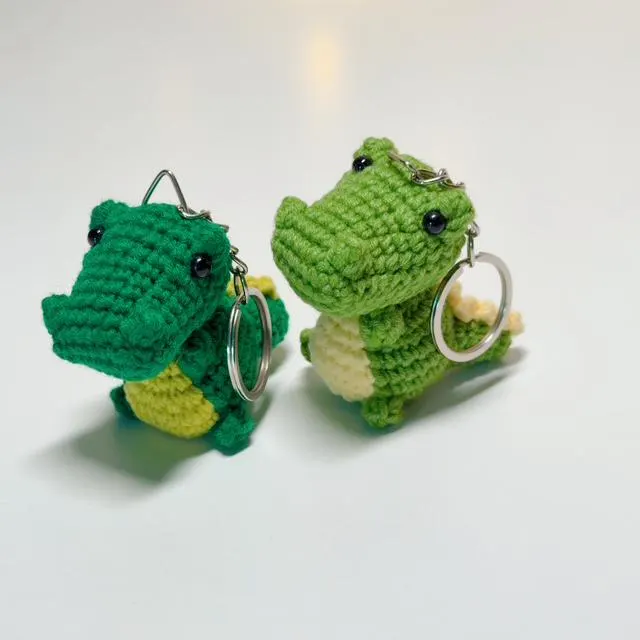
Sea-life–inspired crochet pieces—amigurumi octopuses, tiny whales, and crocheted starfish—bring a tactile, handmade sensibility to coastal gift shops. They work especially well when merchandised beside other seaside finds: woven wall hangings, shell-accented home goods, and craft kits that invite guests to try making something themselves. This article outlines practical, trade-off-aware approaches for boutique owners and retailers to highlight amigurumi and similar items so each display feels intentional and inviting.
Ocean animal gifts for coastal boutiques
Begin by thinking of the display as a narrative: what part of the shore does it evoke? Arrange amigurumi creatures so they feel like characters rather than isolated pieces. A low shelf can read as sand and shallow water, while a hanging set beside a small woven wall piece suggests open ocean. Placing a small cluster of crochet sea animals next to complementary coastal items helps customers picture the pieces in a home setting and increases the perceived value of the whole vignette.
Trade-offs matter. A tightly themed narrative (for example, a coral-reef vignette) looks cohesive but limits the range of price points shown; a more eclectic shelf shows breadth but can feel cluttered. Decide which story you want to tell for each display and balance the number of small amigurumi against larger wall hangings or boxed gifts so nothing overwhelms the eye.
Group by habitat and colorway to tell a story
Grouping by habitat—reef, tide pool, open sea—or by colorway gives instant visual coherence. For example, group warm corals, sandy neutrals, and coral-toned crochet pieces on one island display; place blues and teals with glass float accents on another. This approach reduces decision fatigue for shoppers and makes cross-merchandising straightforward: a customer drawn to a blue octopus will easily spot matching napkins, coastal-scented soaps, or a hanging macramé piece.
A clear grouping strategy also helps inventory decisions. If you prioritize colorway displays, you’ll want multiple small amigurumi in the same hues to restock quickly. If you prioritize habitat storytelling, curate a handful of distinctive pieces that anchor the story and rotate supporting items seasonally. Either way, keep sightlines and spacing consistent so the group reads as intentional rather than haphazard.
Mix textures and scales for tactile appeal
One strength of crochet amigurumi is texture. Place these soft, hand-stitched forms next to woven wall hangings, driftwood frames, or linen goods to create contrast that invites touch. Use risers and trays to vary height so small crochet creatures are visible without being knocked over; pairing them with larger objects reduces the risk of tiny pieces disappearing in the retail clutter while encouraging add-on sales.
Consider practical trade-offs: showing amigurumi on a high, secure ledge highlights craftsmanship but limits tactile interaction; placing them on lower tables invites touch but increases handling. Match placement to your store’s traffic patterns and staffing: if you have frequent staff rotation to tidy displays, lower placement that encourages touching can work well; if not, reserve hands-on displays for supervised demos or special events.
Create clear price and product relationships
Customers process value when related items are placed together. If a wall hanging anchors a display, position smaller amigurumi nearby with clear group pricing cues—this nudges shoppers to consider the smaller items as complementary purchases. Use simple, legible tags and pairing suggestions (for example, “pairs with” or “try with”) so customers understand how items relate without needing staff intervention.
Balancing price tiers in a display helps capture different budget levels. A mixed-price island that combines an eye-catching higher-priced piece with several accessible amigurumi or craft kits can increase overall basket size, but ensure the high-ticket item isn’t visually lost. The trade-off is between increasing average transaction value and maintaining a tidy, approachable display; adjust the ratio of big-to-small items until you find what converts in your space.
Seasonal and event-focused vignettes that convert
Rotate displays to match tourist seasons, local events, and holidays. A summer beach-theme can highlight bright-amigurumi creatures and lightweight wall hangings, while a cooler-season table might pair subdued crochet pieces with cozy coastal textiles. Plan small, easy swaps—change the accent props and signage rather than rebuilding entire fixtures—to keep displays fresh without heavy labor.
Build event-focused bundles for occasions like coastal weddings, birthday gifts, or baby showers, offering customers a curated combination of amigurumi with matching wrapping or small complementary goods. Bundling simplifies decisions for buyers who want a ready-made gift and can increase per-transaction revenue, but be mindful of inventory complexity: limit the number of bundled SKUs to keep replenishment manageable.
Merchandising sea-life crochet pieces alongside coastal gifts is about storytelling, sensible trade-offs, and clarity. Keep displays cohesive by habitat or colorway, mix texture and scale thoughtfully, and use pairing cues to guide purchases. For hands-on help selecting amigurumi, wall hangings, or craft supplies for your boutique, visit Helium South Beach at 760 Ocean Drive Store No. 6, Miami Beach, FL 33139, or contact [email protected] and +1 305-538-4526. Find more visual inspiration on our Instagram: https://www.instagram.com/helium_southbeach/?hl=en.