
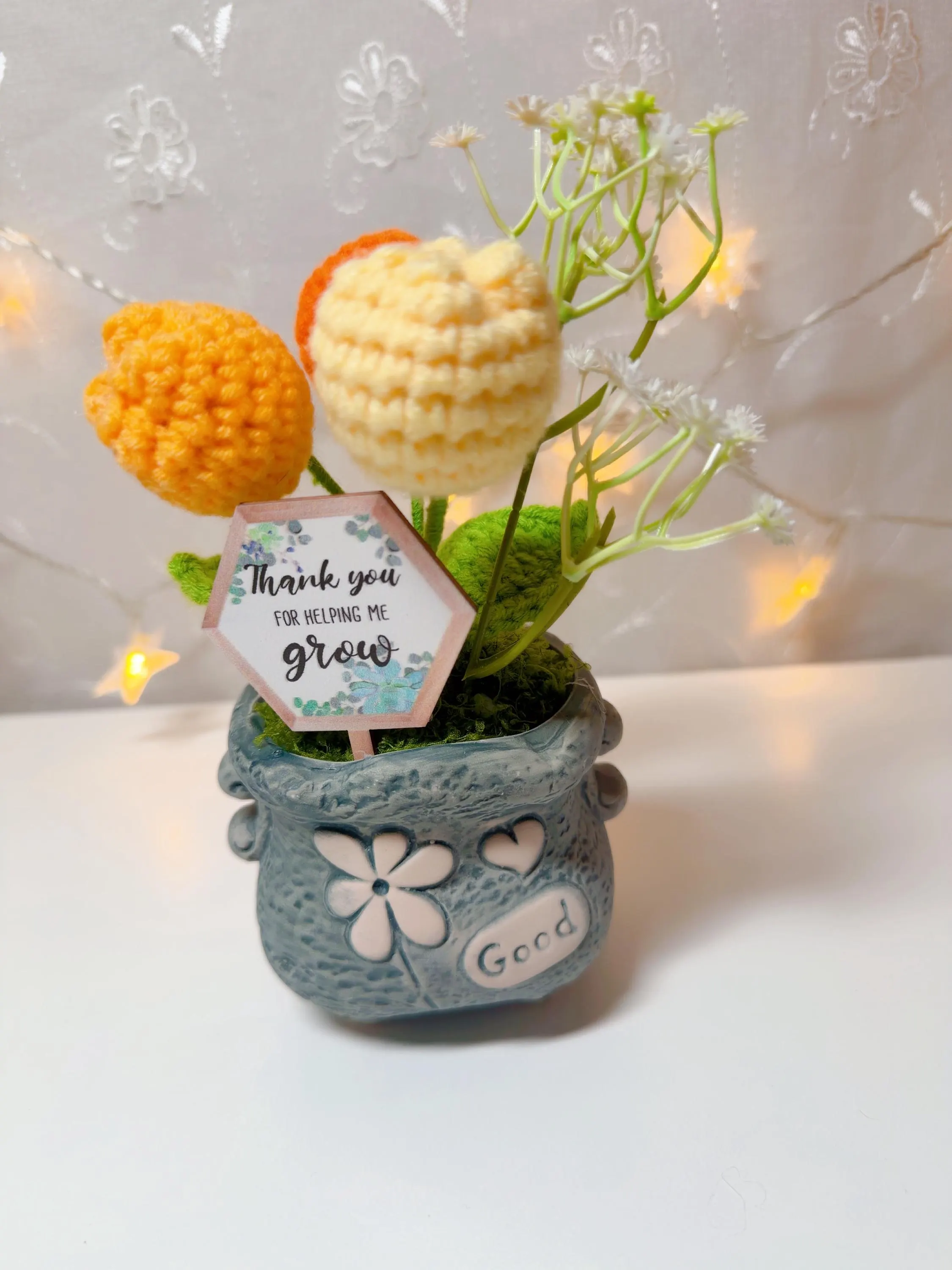
Listing handmade items requires translating makers’ nuances into clear, repeatable SKU entries. Use this retailer-focused checklist to evaluate handmade gift product details so your catalog is accurate, easier to sell, and less likely to generate returns or questions from customers.
SKU, identifiers and naming conventions
Start with a solid SKU system: confirm the supplier’s SKU, assign your internal SKU if needed, and record any batch or lot numbers. Decide a consistent naming pattern that encodes category, maker, and variant so team members can read an item code without searching other systems.
Check for duplicate codes when importing multiple listings from the same maker and confirm whether the maker will reuse SKUs across restocks. If barcodes or UPCs exist, capture them; if not, note that scans will rely on your assigned codes and plan processes for returns and inventory audits.
Measure dimensions, weight and packaging
Record precise product dimensions (length, width, height) and the finished weight as packaged for shipping. For handmade goods, include measurement tolerances — for example, +/- 0.5 inches — and note whether measurements are for the item alone or the item in its retail packaging.
Capture shipping dimensions separately: a delicate wall hanging may be compact folded but require rigid packaging to prevent damage. Use these numbers to calculate accurate shipping quotes, storage needs, and display considerations in-store.
Imagery: shots, scale and color accuracy
Require a minimum set of images for each SKU: a clear studio shot on white, one or two contextual shots showing scale, and close-ups of texture, seams or features. For handmade items, detail images reduce buyer uncertainty about finish and quality.
Standardize how color is represented by specifying camera settings or background and documenting any known color shifts between batches. If multiple batches may differ, include an image that represents the current batch and add a note about potential variance.
Variants, inventory levels and lead times
Map out variant logic up front: size, color, material and any made-to-order options should each have their own variant SKU and clear inventory count. Decide whether to display sold-out variants or hide them, and ensure your e-commerce platform will keep parent SKUs linked to variant data cleanly.
Clarify lead times with the maker and reflect them in the listing. For items that are handmade to order, state expected fulfillment windows in the backend so shoppers and staff know how long restocking or custom orders will take.
Care notes, materials and small‑parts cautions
Pull care instructions and material lists verbatim from the maker when provided, and ask for clarification when the information is vague. Accurate care notes help customers maintain handmade items and reduce dissatisfaction, but always reproduce the maker’s stated instructions rather than guessing.
If a listing mentions small parts or other cautions, copy the specific language from the supplier and add a note to check the individual listing for safety details. Do not invent age guidance or safety claims; defer to the maker’s documentation and your legal advisors for anything beyond what the listing supplies.
Price, margins and cross‑channel consistency
Calculate landed cost per SKU by adding item cost, packaging, shipping from maker, and any import fees. From that number determine wholesale and retail prices that hit your margin goals while staying competitive. Round pricing and set consistent markup rules so pricing looks uniform across similar pieces.
Decide whether to maintain the same price across marketplaces and your storefront; if you choose different prices, keep a record of why (promotions, fees, MAP) and set alerts to catch inconsistent listings. Consistency reduces buyer confusion and protects perceived brand value for handmade lines.
Treat this checklist as a practical gateway between makers and your sales channels: accurate SKUs, careful measurements, consistent imagery, clear variant mapping, faithful care notes and thoughtful pricing make listings reliable and easier to manage. If you’d like help applying these points to items we carry, contact Helium South Beach at [email protected] or +1 305-538-4526, visit us at 760 Ocean Drive Store No. 6, Miami Beach, FL 33139, or see our Instagram @helium_southbeach for examples.