
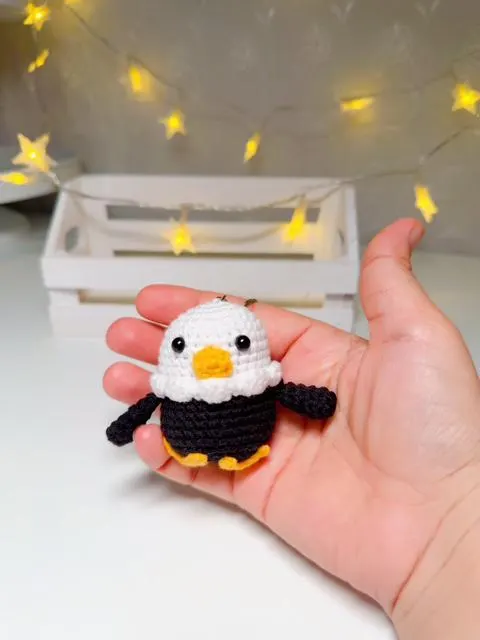
Small accessories like handmade bag charms benefit from display choices that balance visibility with easy handling. This article walks through the practical trade-offs of hook styles, hanging cards, sight lines, customer access, and safe placement so you can set up displays that showcase amigurumi and other handmade charms without cluttering your floor or frustrating shoppers.
Choosing display hooks for handmade bag charms
Start by matching the basic hook type to your store fixtures. Pegboard hooks are common for compact displays and allow quick reconfiguration; straight L-hooks work well on slatwall; S-hooks and small swivel hooks suit racks with thin bars. Consider how each option affects spacing and whether the hook will let a charm rotate or lie flat on a display card.
Trade-offs matter: a long pegboard hook gives more clearance for bulkier charms but increases the chance of tangling; a short hook keeps items tight and tidy but can hide the top of a hanging card. Try a few lengths and observe how the charms hang before committing to a full run.
Match hook style to charm size and maker presentation
Consider how handmade charms are finished—some have keyrings, some hang from narrow loops, and some are mounted to a card. Hooks that are too thick can split delicate yarn tabs, while thin hooks may let keyrings slip. If you’re displaying amigurumi charms with stuffed shapes, add depth by using hooks that lift the item away from a wall so the form reads from a distance.
Also think about the maker’s intended presentation. If items are designed to sit on a card with a hole or slot, choose hooks that thread cleanly through that point and won’t bend or twist the card. In cases where the card is thin, add a small reinforcement—double-sided tape or a reinforced slot—rather than changing the hook type.
Hanging cards and mounting choices
Hanging cards are part display and part brand canvas. Use cards with a clean, centered hole or euro-slot so items hang straight and the brand name remains visible. Heavier or oversized charms will benefit from thicker card stock or a secondary backing to prevent sagging; test a sample combination of card and hook before setting a price or committing to an arrangement.
Mounting options vary: some shops prefer cards slipped onto a hook so they sit flush against a wall; others use a small drop behind the hook to give the charm depth. If you plan to include price tags on the same card, ensure the hook doesn’t obscure the pricing or barcode—consider placing the barcode on the rear of the card if the front is tight.
Visibility: sight lines and grouping
Place charms where their colors and shapes catch the eye at typical sight lines. A cluster of several charms at eye level draws attention, but too many clustered together creates visual noise. Group by color, theme, or maker to help shoppers scan quickly; small, consistent groups of three to six items usually read better than a dense wall of dozens.
Lighting amplifies visibility. Use a shallow face-out display for key pieces or adjustable track lights to create focal points. For larger stores, rotate featured charms weekly to keep sightlines fresh; in small spaces, reserve a prominent face-out hook near the register or main entrance for new arrivals.
Accessibility and customer interaction
Make it easy for customers to pick up and try charms on a bag or keyring. Hooks should allow one-handed removal and replacement without risk of dropping neighboring items. If an item requires careful unhooking to avoid damaging a delicate loop, place it on a lower row or provide a small sign inviting staff assistance.
Balance accessibility with theft prevention. Visibility from multiple angles keeps valuable pieces in plain sight; meanwhile, a single low shelf of high-value charms can be kept within the line of sight of staff or near the register. Consider using a rotating arm where customers can browse without touching the entire display.
Safe placement and small-accessory risks
Avoid placing hook displays in narrow traffic lanes where charms can snag on bags or sleeves. Hooks that extend into aisles or hang at knee level increase the chance of accidental contact. Instead, recess hooks slightly or use shorter lengths where pedestrian flow is tight, and ensure no sharp hook ends are exposed.
Secure mounts firmly to the fixture—loose hooks and crowded displays can cause items to fall. When displaying small parts or charms with detachable elements, keep them near staff or on cards that clearly attach parts so that loose pieces are less likely to be dropped and lost on the floor.
Choosing the right display hooks and hanging cards comes down to a few practical tests: how the charm hangs, how easily a customer can handle it, and how the display reads from across the room. If you’d like hands-on advice or to see sample hook and card combinations, Helium South Beach offers in-store merchandising help at 760 Ocean Drive Store No. 6, Miami Beach, FL 33139. Email [email protected] or call +1 305-538-4526, and follow @helium_southbeach on Instagram for visual ideas.