
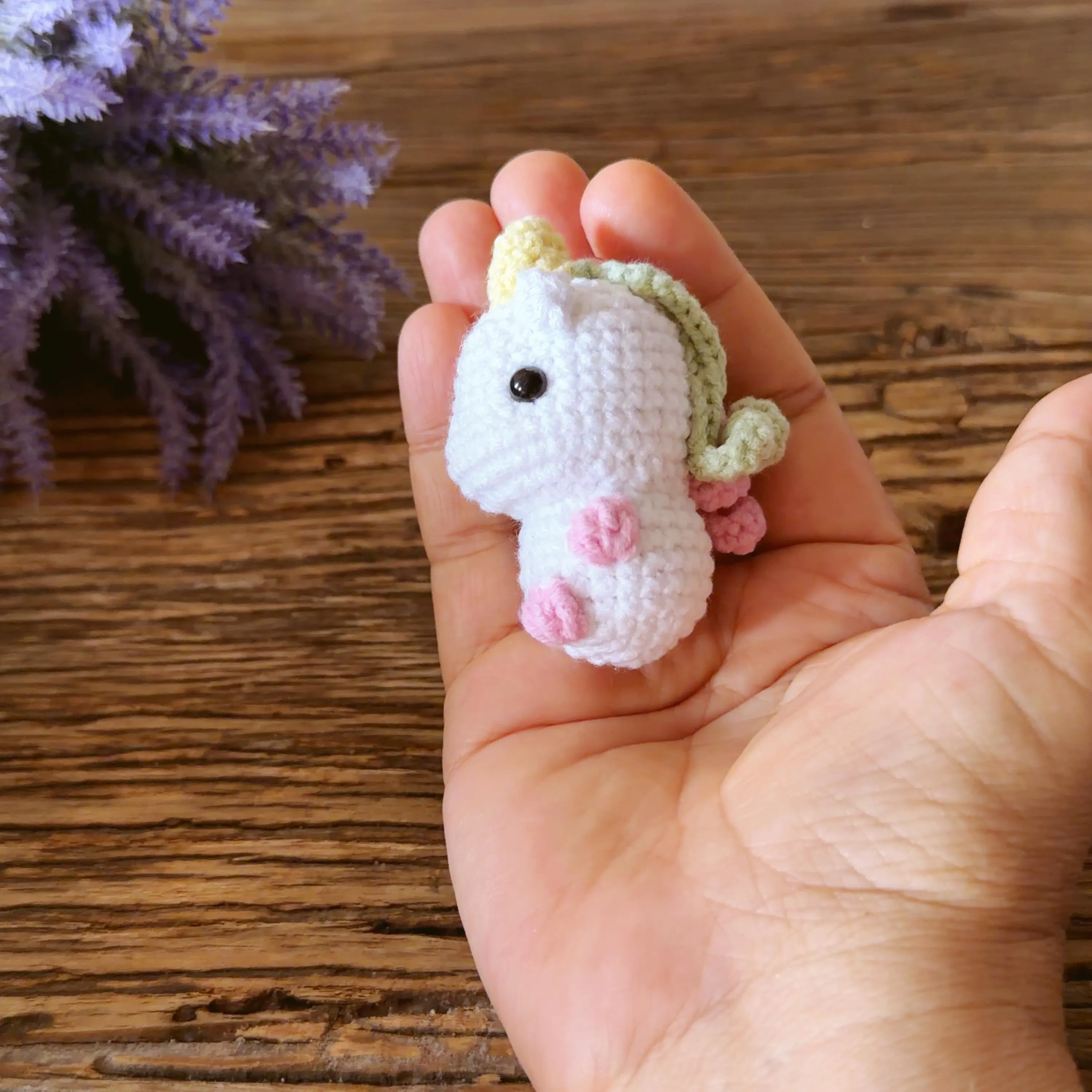
Retailers who handle amigurumi and handmade plush face a common dilemma: buyers expect clean, display-ready merchandise, but many items carry specific care instructions that rule out heavy washing. This article explains why you should follow each product’s individual care label, avoid assuming machine-washability, and use careful spot-care techniques that reduce risk and preserve handmade details.
Why labels matter for amigurumi and handmade items
Each handmade plush piece can differ in fiber, dye, fill and construction. Because our storefront listings vary across 108 items in amigurumi, crochet, wall hangings and craft supplies, the safest starting point for any retail decision is the product’s own care label rather than a general rule.
Following the label is not just a legal or inventory checkbox; it’s a practical defense against avoidable damage. Labels reflect the maker’s choices about yarn type, stitch density and attachments, and those choices determine which cleaning methods risk felting, color bleeding, or distortion.
Don't assume machine-washable: common risks and clues
Machine washing can feel like an efficient solution, but it can stretch, fuzz, or reorganize stitches and trims on handmade plush. Even items that look sturdy may have internal stuffing, glued elements, or sewn-on features that aren’t suited to tumbling or agitation.
Look for clues before you act: delicate embroidery, metal or wooden eyes, braided cords, or natural-fiber yarns all raise the chance that machine processes will harm the piece. When the label is absent or unclear, treat the item as if it may not tolerate a machine wash until you can test or consult the maker.
How to clean handmade crochet plush gently
To clean handmade crochet plush gently, start with the least invasive approach: remove dust and hair, then address specific spots. Use a soft brush, low-suction vacuum on a screen or fabric-covered nozzle, or a lint roller to lift surface grime; these methods preserve stitch structure while improving appearance.
For stains, test any cleaner in an inconspicuous spot first to check colorfastness. Apply a small amount of diluted mild detergent or soap with a soft cloth and gently blot rather than rubbing. Rinse with a clean damp cloth to remove residue and press between towels to absorb moisture; avoid wringing or twisting.
Spot-care tactics: cautious, concrete steps
When doing spot-care, make controlled choices: remove solids with blunt tweezers, scrape away dried spills with the dull edge of a butter knife, and work outward from the center of a stain to avoid spreading. Keep solutions minimal and use clean water to remove soap, because residue can attract dirt later.
For oil-based marks use absorbents like cornstarch or talc to lift grease before attempting liquid cleaning. For water-based spills, immediate blotting reduces penetration. Document each intervention on your own store record so staff can report treatments to customers or makers if follow-up is needed.
When hand-washing makes sense and how to test
Hand-washing can be appropriate if the label allows it and the piece is structurally simple. Use a shallow basin of lukewarm water with a small amount of mild detergent, support the item fully while you swish gently, and rinse thoroughly. Keep drying flat and reshaped to match the original form.
If you’re unsure about colorfastness, perform a spot test on an inner seam or hidden area: apply a dab of diluted detergent, blot after a minute, and check for dye transfer. If color shifts or texture changes occur, stop and revert to spot cleaning or consult the maker for recommended care.
Reduce cleaning needs with handling and repairs
Practical display and handling choices reduce how often deep cleaning is necessary. Keep amigurumi away from direct sunlight and open food, rotate display items to prevent hotspot dirt accumulation, and use protective cases or simple cloth covers during high-traffic events to limit contamination.
Small repairs often prevent larger problems: secure loose seams, replace detached eyes with maker-approved parts, and gently brush matted areas instead of aggressive washing. When in doubt, document needed repairs and ask the maker or the product listing for guidance before attempting interventions that might be irreversible.
Retailers should prioritize the written care guidance that comes with each handmade item and make conservative cleaning choices when labels are missing or ambiguous. Spot-care done thoughtfully, selective hand-washing only when permitted, and sensible handling and repair will keep amigurumi and crochet plush looking their best without risking the handmade qualities that customers value. For questions about specific listings or to coordinate maker-recommended care, contact Helium South Beach at [email protected], call +1 305-538-4526, or visit our store at 760 Ocean Drive Store No. 6, Miami Beach, FL 33139. Follow our Instagram for visual references at https://www.instagram.com/helium_southbeach/?hl=en.