
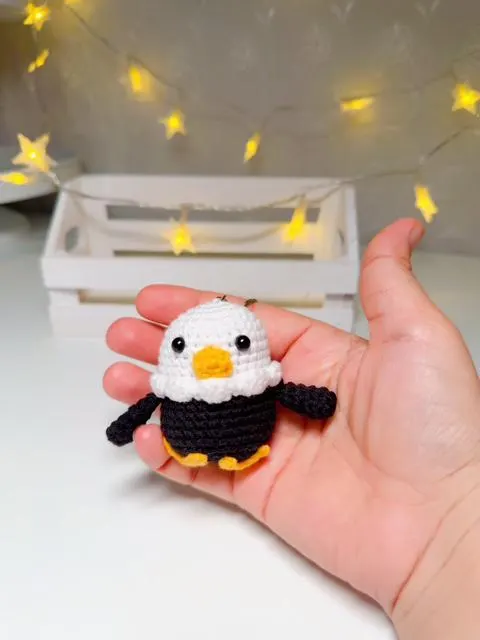
Choosing a handmade gift in a retail shop is more than an impulse buy: it’s matching an object’s dimensions, aesthetic, build and care needs to the recipient and the space it will live in. This short guide gives a focused, repeatable way to compare handmade items on the sales floor so you leave with something that works.
Compare handmade gifts in a retail shop
Start with the same mental checklist every time you scan a display: dimensions, design, materials, care, price and intended use. Treat those six items like quick filters. You’ll move faster and notice trade-offs—where one piece shines in look it might require more upkeep, or where a lower price reflects simpler materials.
Use the checklist to compare items side-by-side rather than relying on impulse. Walk the display line and hold one object next to another, picturing where each will go in a home or office. Not every item needs perfect scores in all categories; deciding which categories matter most to you makes the choice clearer.
Dimensions and scale: measure and visualize
Before committing, get concrete about size and weight. Hold the item, imagine the shelf, mantel or wall it might occupy, and consider whether it should be seen up close or viewed from across a room. Matching scale avoids disappointment—too small and it gets lost, too large and it overwhelms a space.
If the store provides labels or tags with dimensions, use them; if not, compare objects to familiar references such as a book, a chair seat or a table centerpiece. For layered displays, test how the piece sits behind or in front of other items to understand depth and visual balance.
Design and style: look beyond the photo
Examine the piece for details that matter: color saturation, stitch tightness for textiles, finish consistency for wood or metal, and how the item reads from different angles. A design that looks great in a single photo can feel flat in hand if texture, scale or pattern don’t translate up close.
Think about the recipient’s existing decor and taste. A statement, highly textured wall hanging can be a deliberate focal point, whereas a subtler handmade piece may be easier to integrate. Decide whether you want contrast or cohesion and let that preference narrow your options.
Materials and construction: what to inspect
Look for visible signs of quality in construction: secure joins, neat knotting or binding, consistent stitching and well-finished edges. Materials influence look, weight and longevity, so note whether a piece is soft and flexible, rigid, or composed of mixed materials that might require different care.
Ask staff questions about how an item was made if that information isn’t listed. If a listing provides materials, compare them across similar pieces to see where higher-cost fibers, denser weaves or solid hardware change the feel and intended use of the object.
Care and small-parts notes shoppers should note
Handmade items often have specific care needs and sometimes small parts that require attention. Always check the individual product listing or tag for care instructions and any small-parts cautions instead of assuming one approach fits all handmade goods. That guidance will tell you whether an item is hand-wash only, spot-clean, or needs special handling.
Factor maintenance into the purchase decision. A piece that needs regular delicate care might be perfect for a display collector but less suited for a busy household. If the tag isn’t clear, ask a staff member to confirm how the maker recommends cleaning and maintaining the item.
Price, value and intended use: match buyer to object
Price is a quick shortcut to compare handmade gifts, but only when paired with intended use and materials. Consider whether the piece is decorative, functional, or both. A higher price can reflect labor-intensive construction or premium materials, while a lower price might suit someone seeking a casual, everyday object.
Decide what the recipient will actually do with the item. Is it a keepsake to display, a functional tool to use daily, or an accent that can be replaced? Rank that intended use against price and care requirements to determine which option delivers the best practical and emotional value.
Using a simple six-point framework—dimensions, design, materials, care, price and intended use—lets you compare handmade items quickly and thoughtfully on the sales floor. If you’d like in-person help applying this checklist, stop by Helium South Beach at 760 Ocean Drive Store No. 6, Miami Beach, FL 33139 or email [email protected]; call +1 305-538-4526 or check Instagram @helium_southbeach for shop updates.