
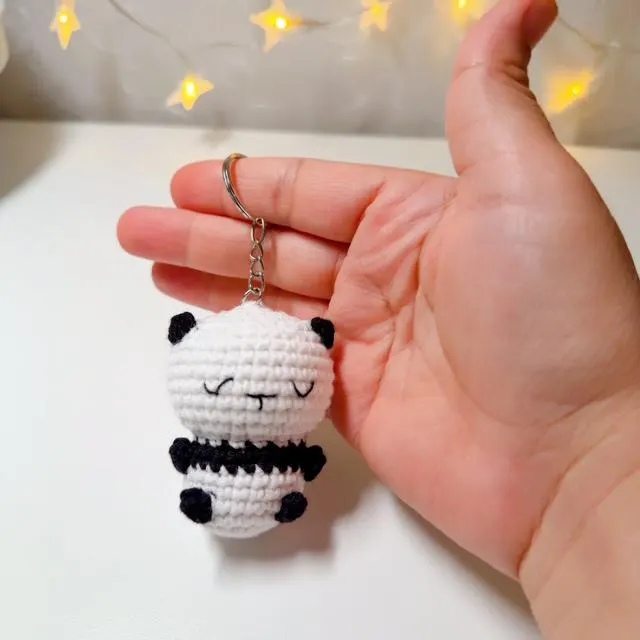
Small, handmade items like amigurumi, tiny wall hangings and craft notions draw browsers—but they can also turn a display into visual noise if everything crowds the shelf lip. Creating breathing room, maintaining sightlines and planning a simple restock rotation keeps a small-goods section inviting and shoppable. The ideas below focus on achievable fixes you can do with basic fixtures, sensible grouping strategies and a short daily routine.
Plan visual breathing room before you stock
Start by stepping back and looking at the shelf as a composition, not a warehouse. Leave a minimum of one-third to one-half of each shelf surface intentionally empty around your groups; that emptiness is what makes focal items readable to customers from a few feet away. For narrow amigurumi or delicate crochet pieces, a wider margin prevents them from competing with neighboring displays.
Decide which shelves are for discovery and which are for smaller impulse buys. Discovery shelves can afford larger gaps and centerpiece items, while impulse areas can be tighter but still benefit from short runs of consistent spacing. The trade-off is between showing more SKUs at once and giving individual pieces the room to be noticed.
Use risers and shallow trays to keep sightlines
Risers and low-profile trays lift small items slightly without stacking them into visual clutter. A three-tier riser or staggered shallow trays let customers see backs and fronts without digging; place one or two risers per shelf rather than many tiny stands to avoid a crowded look. Clear acrylic or simple wooden risers are easy to move and keep the display cohesive.
The trade-off is surface area: risers reduce usable shelf depth, so reserve them for your most photographed or best-selling small gifts. For broader assortments, use one riser as an anchor and flatten the rest on the shelf, which keeps sightlines open while still offering variety.
Group by color, use and scale for quick browsing
Grouping items by color or function speeds decision-making for shoppers and trims visual chatter. For example, place pastel amigurumi together and stitchcraft tools in a separate, low-profile tray. Consistent groupings make the eye pause on sections rather than on individual items wrestling for attention.
Scale matters: mix larger anchor pieces with small companion items so a customer’s eye moves naturally from big to small. Avoid lining up dozens of tiny pieces in a single row; instead, cluster three to five related items with one larger object to give the group a clear beginning and end.
Anchor clusters with focal pieces, not full rows
Choose one or two focal pieces per shelf to act as anchors; these can be a taller amigurumi or a unique wall hanging. Anchors provide context for surrounding items and reduce the urge to fill every inch. Arrange accessory items nearby so customers can imagine pairings without creating a visual wall of small objects.
Don’t confuse anchors with overcrowding: an anchor should have space to breathe. If you’re rotating seasonal colors or new arrivals, keep only one anchor per display and rotate supporting pieces more often—this keeps the shelf fresh without sacrificing clarity.
Rotate stock and plan simple restocking routines
A short, repeatable restocking routine prevents shelves from becoming overfilled. At the end of a busy day, remove excess duplicates and replenish low-stock items from a nearby reserve bin rather than tossing everything onto the shelf. This quick edit preserves the curated look and lets you address popular SKUs efficiently.
Create a one-page restock cheat sheet for each display zone: list 6–8 items that belong there and the preferred quantity of each. That small document reduces guesswork during a busy shift and keeps replenishment intentional rather than impulsive, which is how clutter accumulates.
How to display small gifts without shelf clutter
To display small gifts without shelf clutter, combine the techniques above: give items breathing room, use risers sparingly, group like items, anchor clusters, and follow a short restock ritual. For amigurumi specifically, show a small grouping with one taller figure, two companions, and a shallow tray for accessories; that composition communicates variety without chaos.
Consider the customer’s path through the store as you arrange displays. Keep popular small items at eye level in compact, well-defined clusters and store backup stock under the counter or in labeled bins nearby to avoid overfilling the visible shelf. The result is a tidy, inviting presentation that encourages touch and purchase.
Keeping small-goods displays readable is about restraint and routine. If you’d like hands-on advice tailored to a shelf in your store, visit Helium South Beach at 760 Ocean Drive Store No. 6, Miami Beach, FL 33139, email [email protected], or call +1 305-538-4526. See our latest layouts and inspiration on Instagram @helium_southbeach.